

For homeowners comparing a short sale vs foreclosure vs deed in lieu in 2026, start with a short sale if selling the home is realistic and your lender will review an offer. A deed in lieu is the next route to discuss if a sale is not workable. Foreclosure is a lender-driven process, not a substitute for asking about those options.
- Short sale vs foreclosure vs deed in lieu: start with a short sale when a buyer and lender approval are realistic.
- A deed in lieu requires the lender to accept ownership; other liens can complicate the transfer.
- Foreclosure is lender-driven. Ask about alternatives before assuming the timeline or unpaid balance is settled.
- Shortsalesdoneright provides short sale processing and lender negotiation for agents and homeowners.
Why this matters in 2026
An upside-down mortgage means you owe more than the home is worth. If you also cannot keep up with the loan, the choice is not simply whether to move. You need to know who controls the process, what each route requires and what happens to any unpaid balance.
A short sale sells the home for less than the mortgage balance with the lender's approval. A deed in lieu transfers ownership to the lender if the lender accepts it. Foreclosure is the lender's process for enforcing its rights after default. None of these definitions tells you whether a remaining balance will be forgiven.
For a homeowner, the first move is to ask the servicer what options it will review and what documents it needs. For an agent, it is to find out whether there is a viable listing and who will assemble the lender package. Shortsalesdoneright provides short sale processing and lender negotiation services for both audiences. Lender terms and state law vary; take legal and tax questions to qualified professionals.
What makes the best option for an upside-down mortgage?
Use these criteria before treating any route as the default:
- Ability to sell: A short sale needs a buyer and lender approval of the proposed sale. A deed in lieu does not require a buyer.
- Lender participation: Ask what the servicer requires for each option. Neither a short sale nor a deed in lieu is automatic.
- Other claims on the property: Additional liens can complicate a sale or a transfer to the lender. Identify them before choosing a route.
- Remaining balance: Ask for the lender's written terms on any unpaid mortgage balance. Do not infer forgiveness from the name of the option.
- Timing: A sale, a voluntary transfer and a foreclosure follow different steps. Ask what is pending now, not just what usually happens.
- Your capacity: Selling involves a listing, a buyer and documents. A deed in lieu involves a different lender review. Choose a process you can actually complete.
Short sale vs foreclosure vs deed in lieu at a glance
| Option | Best for | Standout feature | Key limitation |
|---|---|---|---|
| Short sale | Homeowners who can pursue a sale with lender review | A buyer purchases the home | The lender must approve the proposed sale |
| Deed in lieu | Homeowners without a workable sale whose lender will consider a transfer | No buyer is needed | The lender must agree to take ownership |
| Foreclosure | Understanding the lender-driven path if default remains unresolved | The lender initiates and controls the legal process | It is not a negotiated sale or voluntary transfer |
The decisive question is what your lender will agree to in writing. An agent can work toward a short-sale offer, and a homeowner can ask about a deed in lieu, but neither action alone settles the loan. Compare the proposed terms before deciding that one route is finished.
1. Short sale: best for homeowners who can pursue a buyer
A short sale lets a buyer purchase the property for less than the outstanding mortgage balance if the lender approves the transaction. It gives a homeowner a sale to work toward rather than waiting for the lender to pursue foreclosure. In 2026, it is the first route to investigate when the home can be marketed and the lender will consider a proposed sale.
For an agent, the work extends beyond finding a buyer. The lender needs a complete request and a review of the proposed terms. Shortsalesdoneright short sale processing covers preparation of the full short-sale package for agents, with a dedicated point of contact and weekly lender updates. Those services help an agent manage the process; they do not guarantee approval or a particular closing date.
Short sale pros:
- A buyer purchases the home through a sale rather than the lender taking ownership directly.
- The homeowner and agent can work on a listing and submit an offer for lender review.
- The proposed sale terms can be examined before the homeowner agrees to close.
Short sale cons:
- A buyer, a workable offer and lender approval are all required.
- Additional liens or incomplete documents can complicate the transaction.
- Approval of the sale does not, by itself, establish how any unpaid balance is treated.
Best for: A homeowner who needs to leave the property, can pursue a sale and has a lender willing to review the offer. Verdict: Choose a short sale as the first option to investigate, not as a promised outcome. Ask the servicer exactly what its approval would cover, and have a qualified professional review legal or tax consequences before signing.
2. Deed in lieu: best when a sale is not workable
With a deed in lieu of foreclosure, the homeowner voluntarily transfers the property to the lender if the lender accepts the arrangement. There is no buyer to find. That makes it a distinct option when a short sale cannot proceed, not simply a faster name for one.
In 2026, ask the servicer whether it will consider a deed in lieu and what conditions apply. Other liens can make the transfer harder to arrange because the lender must assess what it would receive. Do not assume that offering the keys ends the loan or resolves other claims.
Deed in lieu pros:
- It does not depend on finding a buyer or negotiating a sale contract.
- The homeowner can ask for proposed transfer terms before deciding whether to accept them.
- It offers a voluntary route to discuss when a sale is not workable.
Deed in lieu cons:
- The lender can decline the request or set conditions the homeowner cannot meet.
- Other liens or claims can complicate acceptance.
- The treatment of an unpaid balance must be established in the written agreement.
Best for: A homeowner who cannot complete a workable sale and whose lender will review a voluntary transfer. Verdict: Consider a deed in lieu after checking whether a short sale can work. Compare the lender's written terms with your other options; take questions about liability, title and taxes to qualified professionals.
3. Foreclosure: best understood as the lender's path
Foreclosure is the legal process a lender uses to enforce its rights after a mortgage default. Unlike a short sale or deed in lieu, it is not an option the homeowner submits for approval. The lender drives it, within the rules that apply to the loan and property.
Knowing the foreclosure status matters even if you want a short sale. An active foreclosure process can affect the time available to submit documents, market the home or request another review. State law and lender terms vary, so a general online timeline cannot tell you when a particular property will be sold.
Foreclosure pros:
- Understanding its status gives you a concrete deadline question to raise with the servicer.
- It makes clear when you need legal advice about notices and state-specific rights.
- Comparing it with the lender's proposed alternatives keeps the decision tied to actual terms.
Foreclosure cons:
- The homeowner does not control a lender-run sale the way an agent works on a proposed short sale.
- The process and timing depend on applicable rules and the facts of the loan.
- Foreclosure alone does not answer questions about an unpaid balance or tax consequences.
Best for: A homeowner who needs to understand the process already underway, particularly when no alternative has been agreed. Verdict: Do not treat foreclosure as the default while a workable lender-reviewed alternative remains open. Ask the servicer for the current status and speak with a qualified legal professional about notices or deadlines.
How lender review changes the choice
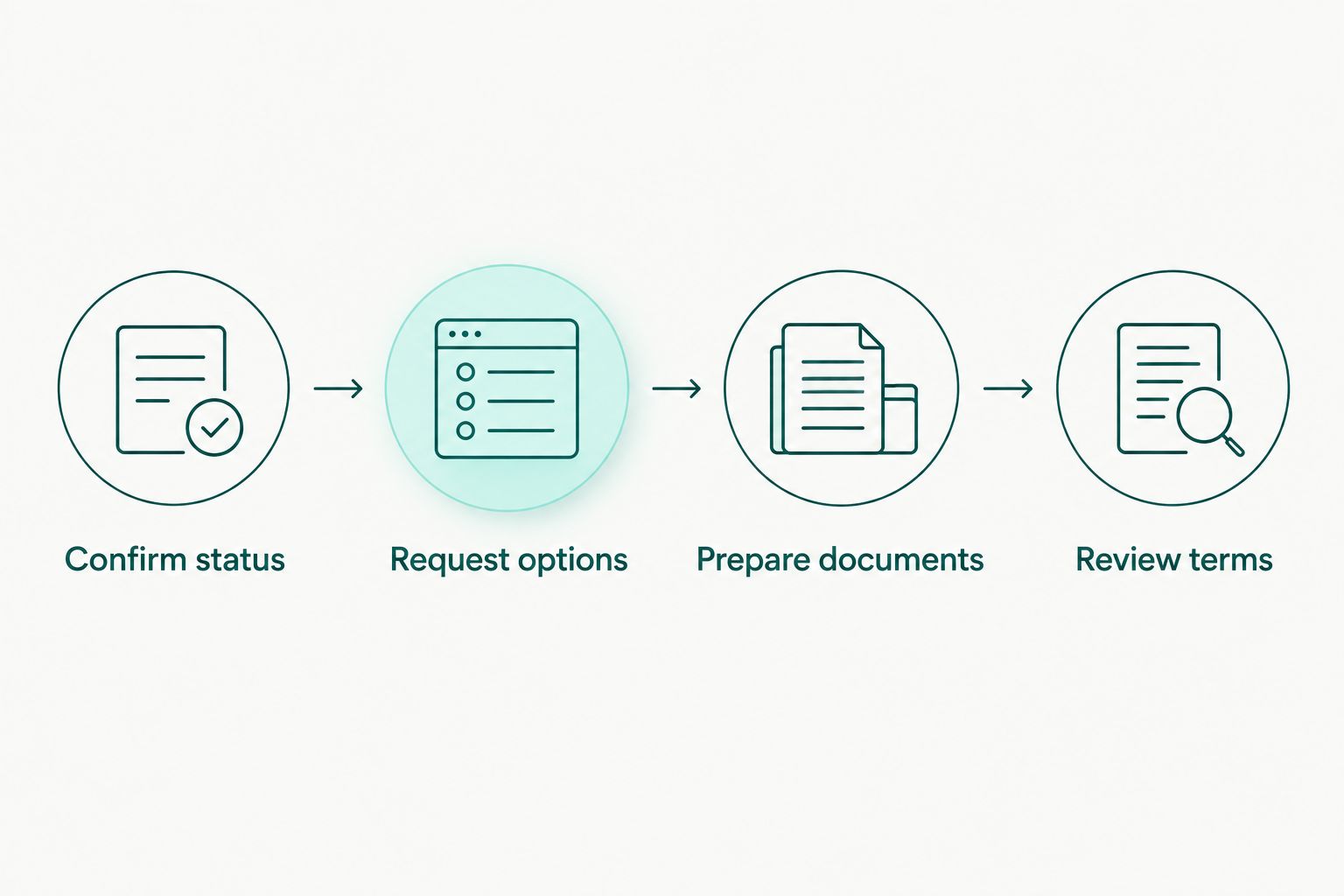
The useful comparison is not which term sounds least severe. It is what you can submit, what the lender will review and what the final documents say. Follow this sequence in 2026:
- Confirm status. Ask the servicer whether foreclosure has been started and whether a sale date has been set. Keep the notices you receive.
- Request options. Ask which loss-mitigation options are available for review, including a short sale or deed in lieu where applicable.
- Prepare documents. For a short sale, establish who will assemble the package and submit the buyer's offer for lender review.
- Review terms. Before signing, check what the agreement says about the sale or transfer and any remaining mortgage balance.
Do not confuse a request with an approval. Sending a package starts a review; it does not establish the result. An agent should keep the homeowner informed about what was submitted and what the lender requests next. A homeowner should keep copies of lender communications and get advice on documents they do not understand.
Federal servicing rules set some timing protections, but they are not a personal deadline calendar. Under CFPB Regulation X, 12 CFR § 1024.41, a servicer generally cannot make the first foreclosure filing until the borrower is more than 120 days delinquent, subject to stated exceptions. A complete loss-mitigation application received more than 37 days before a foreclosure sale triggers certain protections under that rule; a complete application received 45 days or more before a sale also triggers an acknowledgement requirement. Check whether the rule applies to your loan and ask a qualified professional how it interacts with state law and your notices.
How these options are ranked
The ranking puts a lender-reviewed sale first when a homeowner can pursue a buyer, then a voluntary transfer when a sale is not workable. Foreclosure appears third because it is the lender's process, not an application the homeowner chooses over the other two. This is a decision order, not a claim that every lender will approve the first route.
For agents, the practical test is whether the transaction can be documented and submitted for review. For homeowners, it is whether the proposed agreement actually addresses their situation. Shorts alesdoneright does not need to be part of a deed in lieu or foreclosure decision for those options to deserve a fair comparison.
Which option should you choose in 2026?
Start by asking whether a short sale is workable. If you can pursue a buyer and the lender will review an offer, that is the clearest first question. If a sale is not workable, ask whether the lender will consider a deed in lieu and request its terms in writing. If foreclosure is already in progress, confirm its status while evaluating the alternatives; do not assume that discussing another route pauses it.
Shortsalesdoneright short sale services fit the sale route: agents need help preparing the package and managing lender communication, while homeowners need a clear comparison before deciding what to request. Neither audience should rely on a verbal assumption about approval, forgiveness of a balance or a credit-score result. Lender terms and state law vary. Direct legal and tax questions to qualified professionals.
Get help with a short sale
Ask about short sale processing and lender negotiation for your situation.
FAQ
What's the best option: short sale, foreclosure or deed in lieu?
Start with a short sale if a buyer is realistic and the lender will review an offer. If a sale is not workable, ask about a deed in lieu; confirm foreclosure status regardless of which alternative you pursue.
Is a deed in lieu better than a short sale?
A deed in lieu is a better route to discuss when a workable sale is unavailable and the lender will consider taking the property. A short sale requires a buyer and lender approval, while a deed in lieu requires the lender to accept a transfer.
Does a short sale stop foreclosure?
Submitting a short-sale request does not automatically stop foreclosure. Ask the servicer for the current status and how its review affects any scheduled sale; legal protections depend on the facts and applicable rules.
Does a deed in lieu forgive the unpaid mortgage balance?
A deed in lieu does not automatically forgive an unpaid balance. Check the lender's written agreement and ask a qualified professional about liability under applicable state law.
Can an agent handle the short-sale package for a homeowner?
An agent can coordinate a proposed sale and the documents sent for lender review. Shorts alesdoneright provides full short-sale package preparation for agents, a dedicated point of contact and weekly lender updates.
How do I compare these options if foreclosure has started?
Confirm the foreclosure status and any sale date with the servicer, then ask which alternatives it will review. Timing protections depend on when a complete application is received and on the rules that apply to the loan.
Will a short sale or deed in lieu protect my credit score?
Neither option guarantees a specific credit-score result. Compare the lender's written terms, and do not use an assumed credit outcome as the only reason to choose one route.
One last thing
Ask what happens to the unpaid balance before you agree to a sale or transfer. A short sale describes the transaction; a deed in lieu describes the transfer. Neither label supplies the lender's final terms. In 2026, put the proposed agreement beside the foreclosure notices and have qualified legal or tax professionals answer the questions outside the lender's explanation.