

Yes, you can contact your mortgage servicer and negotiate your own short sale in 2026, but the lender must approve the sale and some programs require a real estate agent. Handling the negotiation yourself does not remove listing, closing, legal, or tax requirements. Your first step is to ask the servicer whether its short-sale process permits homeowner-led negotiation and what professional involvement it requires.
- Can I negotiate my own short sale without help? Yes, subject to your mortgage servicer’s requirements.
- Homeowner-led negotiation does not guarantee approval, debt forgiveness, or a pause in foreclosure.
- Shortsalesdoneright provides short sale processing and lender negotiation services; legal and tax advice require qualified professionals.
- Get written requirements before preparing your short-sale package or accepting proposed approval terms.
Why this matters
Negotiating the sale and understanding its consequences are different jobs. You can organize documents and communicate with the servicer without being equipped to interpret an unpaid-balance provision or a tax issue. Decide which tasks you can manage and which need professional review.
Shortsalesdoneright short sale processing is best for homeowners who want lender-negotiation help coordinated with their real estate agent. Support addresses the paperwork and communication burden; the lender still decides whether to approve the transaction.
Can I negotiate my own short sale without help?
Yes, subject to your servicer’s process and the requirements governing your mortgage. Being the borrower lets you discuss your account, but it does not mean you can bypass required documents, an agent requirement, or approval from other parties with claims against the property.
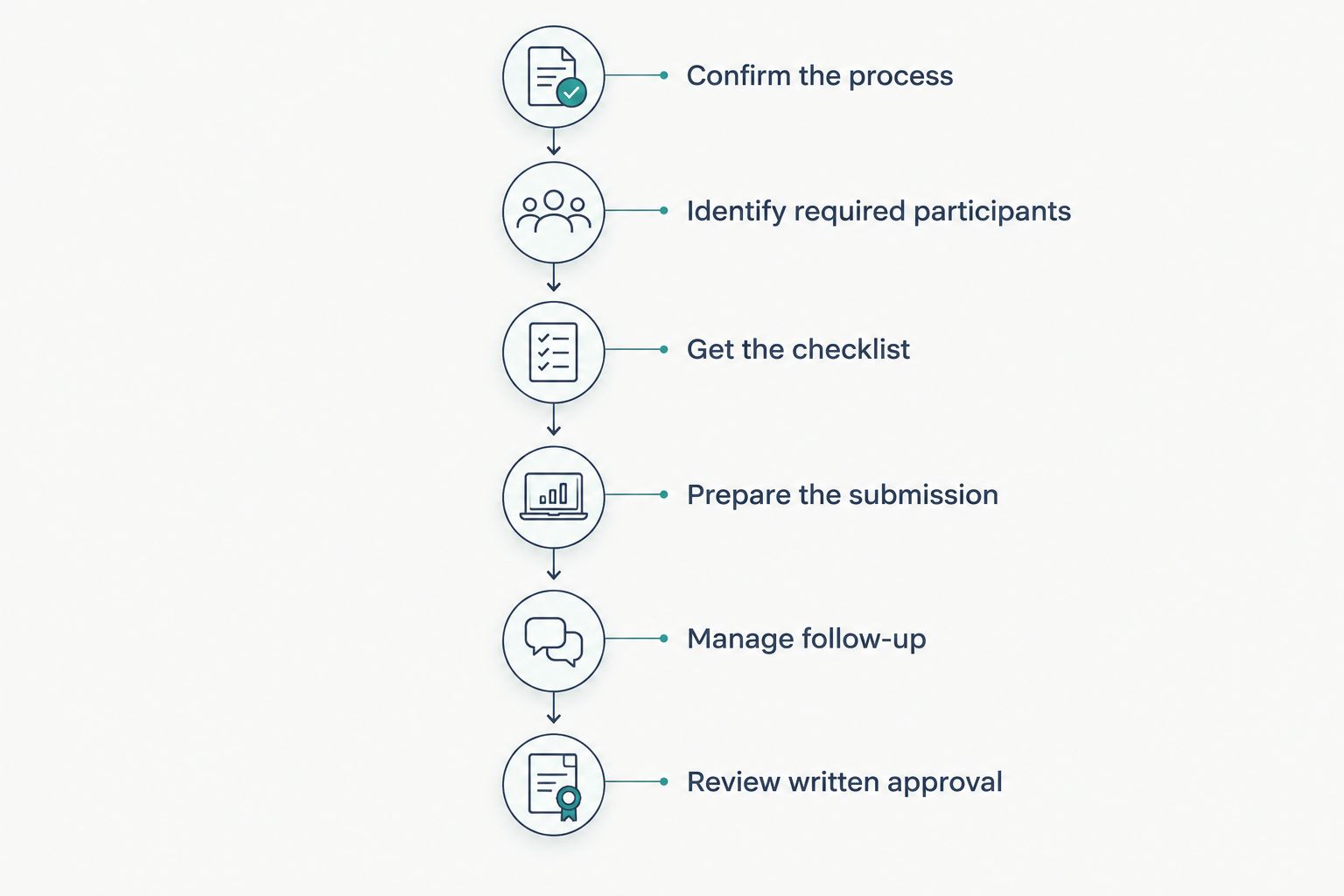
Use this sequence before committing to a homeowner-led short sale in 2026.
- Confirm the process. Contact the mortgage servicer using the contact information on your statement. Ask for the department handling short sales, its current submission instructions, and whether you can negotiate directly.
- Identify required participants. Ask whether the program requires a licensed real estate agent. Identify any second mortgage or other recorded claim with your title or closing professional.
- Get the document checklist. Request the servicer’s forms and instructions in writing. Confirm how to submit documents and how to check that the file is complete.
- Prepare the submission. Supply accurate financial information and a factual hardship explanation. Coordinate any listing, purchase offer, and estimated closing statement with the professionals handling those tasks.
- Manage follow-up. Keep a dated record of submissions, requests, and responses. Ask what remains outstanding rather than treating confirmation of receipt as approval.
- Review written approval. Check the approved transaction terms, closing deadline, and treatment of any unpaid balance. Have qualified professionals review legal and tax questions before you commit.
Confirm the process before sending sensitive documents
Ask the servicer to identify its approved submission channel. Financial records contain sensitive information, so verify the recipient before sending anything to a new email address or portal.
Keep copies of what you submit. If the servicer later requests an updated document, your records help distinguish an expired item from one that was never received.
Prepare the submission around the actual checklist
A short-sale package commonly includes financial records, a hardship explanation, and transaction documents. The exact requirements depend on the mortgage and the servicer’s instructions; a generic checklist is not a substitute for the requested forms.
Use the guide to documents to include in a short-sale package to organize your questions. Do not omit a requested item simply because it seems repetitive, and ask how to address an item that does not apply.
Review written approval as a separate decision
Permission to sell is not automatically forgiveness of the remaining debt. The written approval and applicable law determine how the unpaid balance is handled.
Read the approval before scheduling your next commitments around it. If a condition is unclear, obtain clarification and legal advice rather than relying on a phone conversation or a buyer’s interpretation.
Which short-sale tasks should you handle yourself?
Choose help by responsibility, not by a vague promise to handle everything. A negotiator, real estate agent, attorney, and tax professional serve different purposes.
| Approach | Best for | Main benefit | Main limitation |
|---|---|---|---|
| Homeowner-led negotiation | Homeowners able to organize records and maintain lender follow-up | Direct involvement in document requests and lender communication | You carry the administrative work; program requirements still apply |
| Agent-led coordination | Homeowners who need listing, buyer, and transaction coordination | Connects the proposed sale with the lender’s review | Confirm whether the agent also handles lender negotiation |
| Shortsalesdoneright short sale processing | Homeowners and agents seeking processing and lender-negotiation support | Prepares the full package for agents, with a dedicated contact and weekly lender updates | Does not guarantee approval or replace legal and tax advice |
Homeowner-led negotiation makes sense only when you can perform the required work consistently. Access to the account is not enough. You also need time to respond, a way to track requests, and a clear understanding of who handles the sale itself.
Professional processing reduces the paperwork and follow-up you personally manage. Its limitation is equally important: adding a processor does not give anyone authority to force lender approval or change state law.
Why the difficulty of negotiating your own short sale varies
The work depends on the file, not just your willingness to make calls. These factors change what you must coordinate:
- Mortgage requirements. Your servicer’s short-sale process determines the forms, submission channel, and required participants.
- Other property claims. A second mortgage or another recorded claim can add parties whose requirements must be addressed before closing.
- Financial documentation. Incomplete, inconsistent, or outdated records create additional questions and document requests.
- The purchase offer. The proposed sale must satisfy the lender’s approval terms, not just the buyer’s and seller’s agreement.
- Foreclosure status. An existing legal timeline requires attention separate from the short-sale review. Do not assume negotiations stop it.
- Your available time. Document collection, follow-up, and coordination remain your responsibility unless someone expressly agrees to handle them.
In 2026, ask the servicer for current requirements rather than relying on an old approval letter or someone else’s experience. A previous borrower’s outcome does not establish the terms for your mortgage.
When should you bring in a negotiator?
Bring in help when the administrative work exceeds what you can reliably manage. Repeatedly losing track of requests, missing responses, or struggling to coordinate your agent and servicer are reasons to assign the work clearly.
You do not have to wait for a rejection. Before hiring anyone, ask which tasks the service performs, who communicates with the lender, how updates reach you, and what decisions still require your approval.
Shortsalesdoneright provides lender negotiation and prepares full short-sale packages for agents, with a dedicated point of contact and weekly lender updates. For homeowners, that support belongs alongside a review of whether a short sale fits their situation—not an assumption that selling is the only option.
If you are ready to act, use the homeowner intake form on the site to request help. Explain whether you already have an agent and whether you have received any foreclosure notices.
Request help with your short sale
Use the homeowner intake form to discuss your situation and lender-negotiation needs.
Can I negotiate a short sale without a real estate agent?
Negotiating directly with your servicer does not establish that you can complete the sale without an agent. Ask whether your specific program requires an agent or listing agreement before choosing that route.
If you already have an agent, confirm the division of work in writing. Listing the home, communicating with buyers, preparing lender documents, and negotiating approval are separate responsibilities. An unassigned task is still a task that needs doing.
Will negotiating a short sale stop foreclosure?
A short-sale request does not automatically stop foreclosure. Ask the servicer about your account’s foreclosure status and get any stated postponement in writing.
If you have a sale date, court deadline, or legal notice, contact a qualified attorney promptly. Lender negotiations are not a substitute for responding to legal deadlines, and state law varies.
Does short-sale approval mean I owe nothing afterward?
Short-sale approval does not automatically release you from an unpaid mortgage balance. Check the approval language and have an attorney explain how it applies under your state’s law.
Tax treatment is a separate question. For a 2026 transaction, ask a qualified tax professional how the rules apply to your circumstances; do not assume that permission to close settles either issue.
What should you ask before accepting approval terms?
Treat the approval letter as a document to review, not just good news to forward. The lender’s acceptance must match a transaction you can actually complete.
Ask these questions with your agent and closing professional:
- Does the approval identify the correct property and transaction?
- Does it cover the offer and closing terms now being proposed?
- What conditions must be satisfied before closing?
- What happens if the buyer or closing date changes?
- What does it say about any remaining balance?
- Which questions require an attorney or tax professional?
Keep the final approval with your closing records. If someone proposes a change, ask whether revised lender approval is required before treating the change as accepted.
FAQ
Can I negotiate my own short sale without help in 2026?
Yes, you can contact your servicer and handle negotiation yourself, subject to its requirements. Confirm whether your mortgage program requires an agent and which documents and approvals are necessary.
Do I have to stop paying my mortgage to request a short sale?
Do not stop making mortgage payments solely to pursue a short sale. Ask your servicer about its eligibility rules and discuss the consequences of missed payments with a qualified adviser.
Can a short-sale negotiator guarantee lender approval?
No short-sale negotiator can guarantee lender approval. Processing and negotiation support help manage the submission and communication, but the lender decides whether to accept the transaction.
What should I do if the lender says my package is incomplete?
Ask for a written list of missing or outdated items and the correct submission instructions. Keep copies of the replacements and confirm receipt without assuming that receipt means approval.
Will I still owe money after a short sale?
You can still face an unpaid-balance issue after a short sale, depending on the written terms and applicable law. Ask an attorney to review the approval and a tax professional to address any tax consequences.
Does applying for a short sale protect my credit score?
Applying for a short sale does not guarantee a particular credit-score outcome. Missed payments and account reporting can affect credit; do not rely on a promised score change when choosing your next step.
Who can help me decide whether a short sale is the right option?
Your mortgage servicer can explain available mortgage-assistance options, while a HUD-approved housing counselor can help you review your situation. Use qualified legal and tax professionals for questions about debt liability, foreclosure, and taxes.
One last thing
Ask what remains unresolved, not just whether the lender received your file. Receipt, review, approval, and permission to close are different milestones. Your follow-up should identify the next required action and who owns it.
For a short sale you start in 2026, make your first request simple: written requirements and a clear contact route. Whether you negotiate yourself or ask Shortsalesdoneright for help, that gives you a practical starting point without assuming an outcome.