

Best for an underwater home you can no longer afford: a professionally coordinated short sale. Best for staying: a loan modification. Best for a temporary income interruption: forbearance. Shortsalesdoneright helps homeowners compare short sale options for homeowners with a disability against alternatives; this 2026 guide explains which path fits which situation.
- Shortsalesdoneright provides short sale processing and lender negotiation for homeowners considering an exit from an underwater mortgage.
- Short sale options for homeowners with a disability depend on affordability, home value, lender requirements, and your housing needs.
- Compare loan modification for staying, forbearance for temporary hardship, and a short sale for an unaffordable underwater home.
- Disability does not guarantee approval, debt forgiveness, foreclosure protection, or a particular credit outcome.
Why this matters
A disability can change both your income and what you need from a home. A payment that once worked might no longer fit alongside care, transportation, or accessibility expenses.
Choose around your next housing situation, not just the current mortgage. Keeping an unaffordable or inaccessible property is not automatically the right result. Neither is selling when a workable payment change would let you stay.
A short sale means selling for less than the mortgage balance with the lender's agreement. It is different from a standard sale, and approval to release the mortgage lien does not automatically settle responsibility for an unpaid balance.
What makes the best option for your situation?
Use these criteria before comparing the choices. For a 2026 decision, work from current statements and written lender requirements rather than an older estimate.
- Lasting affordability: Can dependable income cover housing, essential living costs, and disability-related expenses?
- Housing suitability: Does the property still meet your mobility, care, and household needs?
- Equity position: Would a realistic sale cover mortgage payoffs and selling expenses?
- Hardship duration: Is the income interruption temporary, ongoing, or unresolved?
- Workload: Who will organize documents, answer requests, and coordinate with the lender?
- Exit terms: What happens to the unpaid balance, other liens, and your move-out obligations?
A lower payment alone does not answer every question. You also need a realistic plan for living in the property or moving elsewhere.
Your options at a glance
These are different paths, not interchangeable short sale programs. The ranking starts with an underwater homeowner who needs to leave; the other choices fit different circumstances.
| Option | Best for | Main advantage | Key limitation |
|---|---|---|---|
| Coordinated short sale | Leaving an unaffordable underwater home | Combines a property sale with lender negotiation | Requires lender agreement; remaining debt needs separate review |
| Loan modification | Staying with a sustainable revised payment | Changes mortgage terms if approved | Does not solve unsuitable housing or guarantee affordability |
| Forbearance | Managing a temporary income interruption | Temporarily reduces or pauses required payments under an agreement | Deferred payments still need a resolution |
| Standard sale | Leaving when sale proceeds cover obligations | Avoids requesting a mortgage payoff shortfall | Requires sufficient proceeds after expenses |
| Deed in lieu | Exploring a transfer when selling is not workable | Transfers ownership through an agreement with the lender | Acceptance, other liens, and remaining debt require review |
1. Coordinated short sale: best for leaving an underwater home
A coordinated short sale pairs your real estate agent's sale work with short sale processing and lender negotiation. It fits when you need to leave and expected proceeds will not cover the mortgage payoff and selling expenses.
Shortsalesdoneright is best for homeowners who want short sale processing and lender negotiation support. Its services include preparing the full short sale package for agents, a dedicated point of contact, and weekly lender updates. Those services organize the process; they do not guarantee a lender's decision.
Coordinated short sale pros:
- Gives the sale and lender submission a coordinated process.
- Provides a point of contact for document requests and updates.
- Supports an exit when a standard sale would leave a mortgage shortfall.
Coordinated short sale cons:
- Requires lender approval and cooperation from relevant lienholders.
- Does not automatically eliminate personal responsibility for unpaid debt.
- Still requires documents, signatures, and a practical moving plan.
Best for: Homeowners whose ongoing budget cannot support the property and whose sale proceeds would fall short.
Before authorizing a closing, have a qualified attorney review the approval terms and any remaining debt obligations. Ask a tax professional about cancellation-of-debt consequences and your individual circumstances.
Verdict — Go: Explore a coordinated short sale when leaving is necessary and a standard sale will not cover the obligations.
2. Loan modification: best for staying in a suitable home
A loan modification changes mortgage terms through an agreement with the mortgage company. It belongs ahead of a sale when you want to stay, the property meets your needs, and a revised payment would fit your ongoing budget.
Build that budget around dependable income and recurring expenses. Do not base affordability on an uncertain return-to-work date or benefits decision.
Loan modification pros:
- Offers a route to keeping the property if approved.
- Addresses mortgage terms rather than requiring a move.
- Can fit a household with stable income but an unaffordable existing payment.
Loan modification cons:
- Approval and available terms depend on the loan and review.
- A revised payment is not automatically sustainable.
- Keeping the home leaves maintenance, accessibility, and other ownership expenses in place.
Best for: Homeowners who want to stay and can support a realistic revised payment.
For your 2026 comparison, ask for the proposed payment and all changed terms in writing. Compare the complete housing expense, not just principal and interest.
Verdict — Go: Request a modification review when staying works financially and physically; skip it as a reason to keep an unsuitable home.
3. Forbearance: best for a temporary income interruption
Forbearance is an agreement to reduce or pause required mortgage payments temporarily. It is a bridge for a short-term problem, not automatic debt cancellation or a permanent payment reduction.
Ask what happens when the agreement ends before accepting it. Your exit plan matters as much as the immediate relief.
Forbearance pros:
- Provides temporary payment relief under agreed terms.
- Gives a household time to assess an income interruption.
- Does not require an immediate decision to sell.
Forbearance cons:
- Unpaid amounts still require a resolution.
- Temporary relief does not fix a lasting budget shortfall.
- An uncertain recovery timeline makes the exit plan harder to assess.
Best for: Homeowners facing a temporary interruption with a credible path to resumed payments.
Ask how payments will be handled afterward, how the agreement will be reported, and what happens if your circumstances do not improve. Obtain the answers in writing.
Verdict — Hold: Use forbearance as a temporary bridge, not as a substitute for resolving ongoing unaffordability.
4. Standard sale: best when your equity covers the exit
A standard sale fits when expected proceeds cover mortgage payoffs and selling expenses. Disability alone does not make a short sale necessary; the property's financial position determines whether a lender-approved short payoff is needed.
Ask your agent for a seller net estimate based on current market conditions. A listing price is not the amount left after closing.
Standard sale pros:
- Avoids requesting lender acceptance of a mortgage shortfall.
- Lets you compare a sale against keeping the property.
- Provides a basis for planning your next housing arrangement.
Standard sale cons:
- Depends on sufficient proceeds after expenses and obligations.
- Still requires marketing, buyer coordination, and moving preparation.
- An optimistic value estimate can hide a shortfall.
Best for: Homeowners who need different housing and have enough equity to complete an ordinary sale.
Confirm mortgage payoffs, other liens, and estimated selling expenses before treating this as your exit route. Update the estimate if the proposed sale terms change.
Verdict — Go: Choose a standard sale over a short sale when verified proceeds cover the obligations.
5. Deed in lieu: best for discussing a non-sale transfer
A deed in lieu of foreclosure transfers ownership to the lender under an agreement. It is worth discussing when you need to leave but a sale is not workable.
The lender must agree. Other liens, property requirements, and the treatment of unpaid debt can affect whether the arrangement works.
Deed in lieu pros:
- Offers a transfer route that does not depend on completing a buyer purchase.
- Creates an opportunity to negotiate written exit terms.
- Gives you another option to discuss alongside a short sale.
Deed in lieu cons:
- Is not available simply because you request it.
- Can be complicated by other liens.
- Does not automatically erase remaining debt or resolve tax questions.
Best for: Homeowners exploring a lender-agreed transfer when selling is not workable.
Have a qualified attorney review the proposed agreement before signing. Confirm the possession date and any continuing obligations.
Verdict — Hold: Compare a deed in lieu with a short sale after reviewing the actual written terms.
How these options are ranked
This 2026 ranking prioritizes housing fit, sustainable affordability, equity, and the work required to complete an exit. It is a decision guide, not a claim that one lender program is available to every homeowner.
Shortsalesdoneright ranks first for processing support when an underwater homeowner needs a short sale. A modification ranks ahead of selling when keeping the home is practical and affordable.
Prepare for a useful lender conversation
Organize the facts before requesting a specific solution. You do not need a polished personal story; you need a clear explanation of how the hardship affects housing affordability.
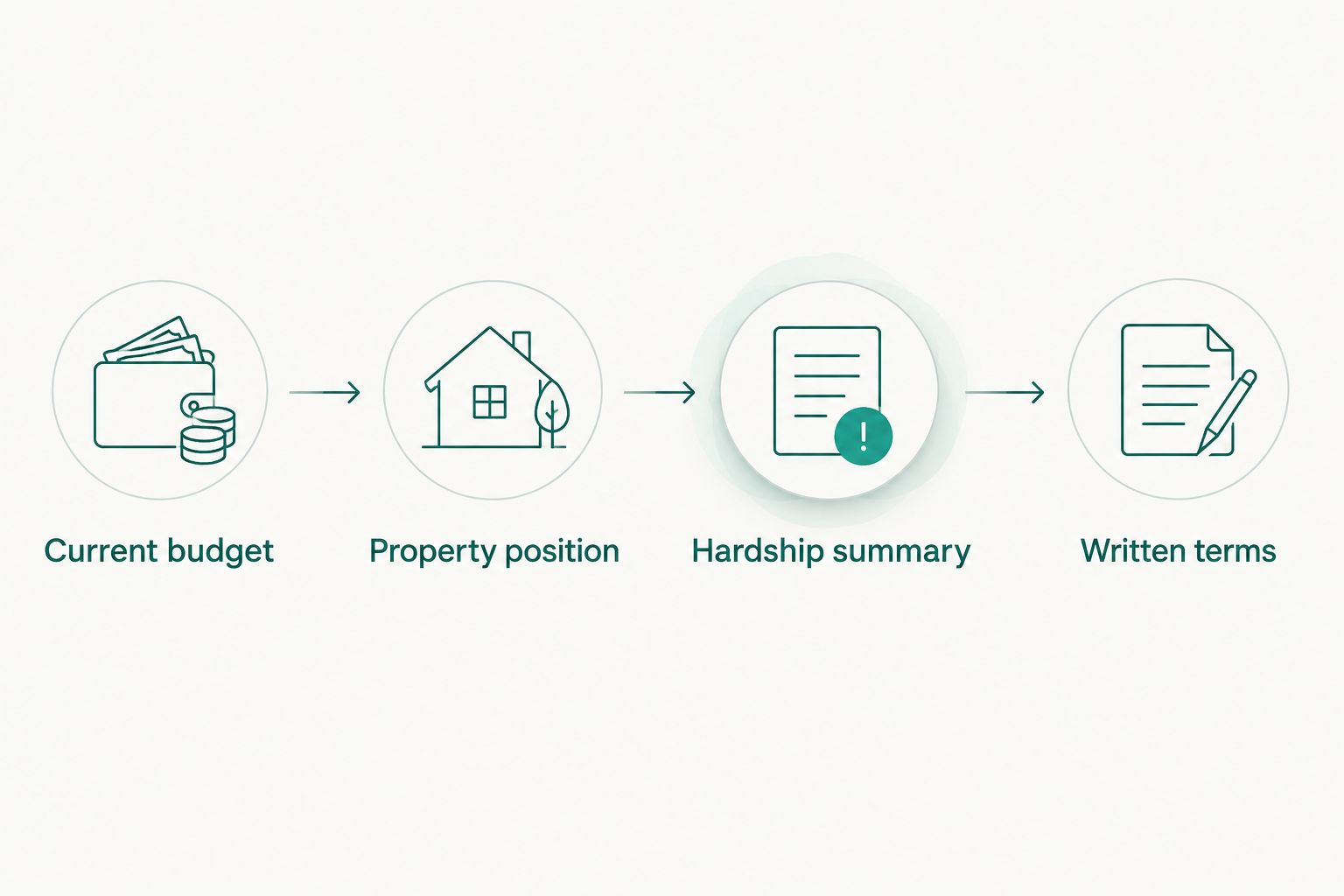
- Current budget: List dependable income, essential expenses, and the complete housing payment. Prepare 2 monthly budgets: one for staying and one for moving.
- Property position: Gather mortgage statements, information about other liens, and an agent's estimated sale proceeds.
- Hardship summary: Draft a 1-page summary explaining the financial change and why your requested solution fits. Follow the lender's documentation requirements.
- Written terms: Ask how the proposed option affects payments, unpaid debt, deadlines, and possession.
Keep medical disclosures relevant to the request. Ask which records are required and how to submit sensitive information securely. If someone will communicate on your behalf, ask what authorization the mortgage company requires.
For help explaining the financial impact, use the guide to writing a short sale hardship letter.
Which option should you choose in 2026?
Start with a coordinated short sale if you must leave and the property is underwater. Start with modification review if staying remains suitable and a revised payment is sustainable. If your hardship is temporary, ask about forbearance and its exit terms.
Before agreeing, ask 3 questions: Can I afford the result? What debt remains? Where will I live next? If you have a foreclosure notice or scheduled sale, seek prompt legal advice about deadlines; do not assume a pending assistance request stops the process.
Shortsalesdoneright helps homeowners compare a short sale with other options. Request homeowner help through the appropriate intake form on the website.
Request help with your next step
Discuss short sale processing, lender negotiation, and alternatives for your housing situation.
FAQ
What are the best short sale options for homeowners with a disability?
A coordinated short sale fits homeowners who need to leave an unaffordable underwater property. Compare modification for staying, forbearance for temporary hardship, and a standard sale when proceeds cover the obligations.
Does having a disability automatically qualify me for a short sale?
No. A disability does not automatically qualify you for a short sale. The lender reviews the request under its requirements, including the financial hardship and proposed transaction.
Can disability benefits count as income during a mortgage assistance review?
Disability benefits can be considered as income during a mortgage assistance review. Ask the mortgage company what benefit documentation it requires and how it evaluates your income.
Should I stop paying my mortgage to qualify for a short sale?
Do not stop payments simply to try to qualify for a short sale. Ask your mortgage company about its requirements and obtain advice about the consequences before changing payments.
Will a short sale erase everything I still owe?
No. A short sale does not automatically erase responsibility for the unpaid balance. Have a qualified attorney review the written approval and applicable state law, and ask a tax professional about tax consequences.
Can someone help with lender calls if my disability makes them difficult?
Yes, you can ask about authorizing someone to communicate with the mortgage company. Confirm its authorization requirements and request a communication method that works for you.
Does requesting a short sale stop foreclosure?
A short sale request does not by itself guarantee that foreclosure will stop. Lender terms and state law vary; contact a qualified attorney promptly if you have a notice or scheduled sale.
One last thing
Permission to sell and release from unpaid debt are separate questions. Before signing a 2026 short sale approval, ask your attorney to identify exactly what happens to the balance after closing. A clear answer matters more than a reassuring phone call.


