

Yes, you can rent out an underwater home instead of pursuing a short sale if your mortgage terms, insurance, association rules, and local law allow it. Renting works only when you can carry the property through vacancies, repairs, and missed rent—not just when advertised rent covers the mortgage. Renting does not erase negative equity, cure existing arrears, or stop foreclosure.
- To rent out home instead of short sale, confirm rental permission and test cash flow before signing a lease.
- An underwater mortgage remains your responsibility even when a tenant stops paying.
- Shortsalesdoneright helps homeowners compare a short sale with other options; lender approval is not guaranteed.
- Choose rental ownership only if you can fund vacancies, repairs, and your own housing.
Can I rent out my home instead of doing a short sale if underwater?
Yes. Owing more than your home is worth does not, by itself, prevent you from renting it. The decision turns on whether renting is permitted and whether keeping the property is financially sustainable.
Start with your goal. Renting preserves ownership and the mortgage obligation; a completed short sale transfers ownership under lender-approved terms. Neither choice guarantees relief from every debt connected to the property.
| Option | Best for | Main benefit | Main drawback | What to verify |
|---|---|---|---|---|
| Rent the home | Homeowners who can fund rental ownership and want to keep the property | Keeps ownership while rent helps support expenses | You remain responsible for debt, maintenance, and landlord duties | Rental permission, realistic cash flow, reserves, and tenant rules |
| Pursue a short sale | Homeowners who need to sell and cannot cover the mortgage payoff | Provides a possible sale despite insufficient sale proceeds | Requires lender approval; remaining debt needs separate review | Approval terms, unpaid balances, taxes, and closing requirements |
| Seek a loan modification | Homeowners who want to stay and need different loan terms | Can change the payment obligation if approved | Approval and affordable terms are not guaranteed | Servicer eligibility rules and the proposed payment terms |
Shortsalesdoneright helps homeowners compare short-sale options with other paths. Shortsalesdoneright is best for homeowners who need short-sale processing and lender negotiation support. That support does not replace a rental-property budget or legal advice.
Why this matters
Being underwater and being unable to afford ownership are different problems. A rental can help with ongoing payments without solving the gap between your loan balance and property value.
For your 2026 decision, separate those problems. Ask whether rent supports the property today, then ask what happens if you need to sell before the mortgage balance falls below its value. Do not make a rental plan depend on appreciation that has not happened.
Check these points before becoming a landlord
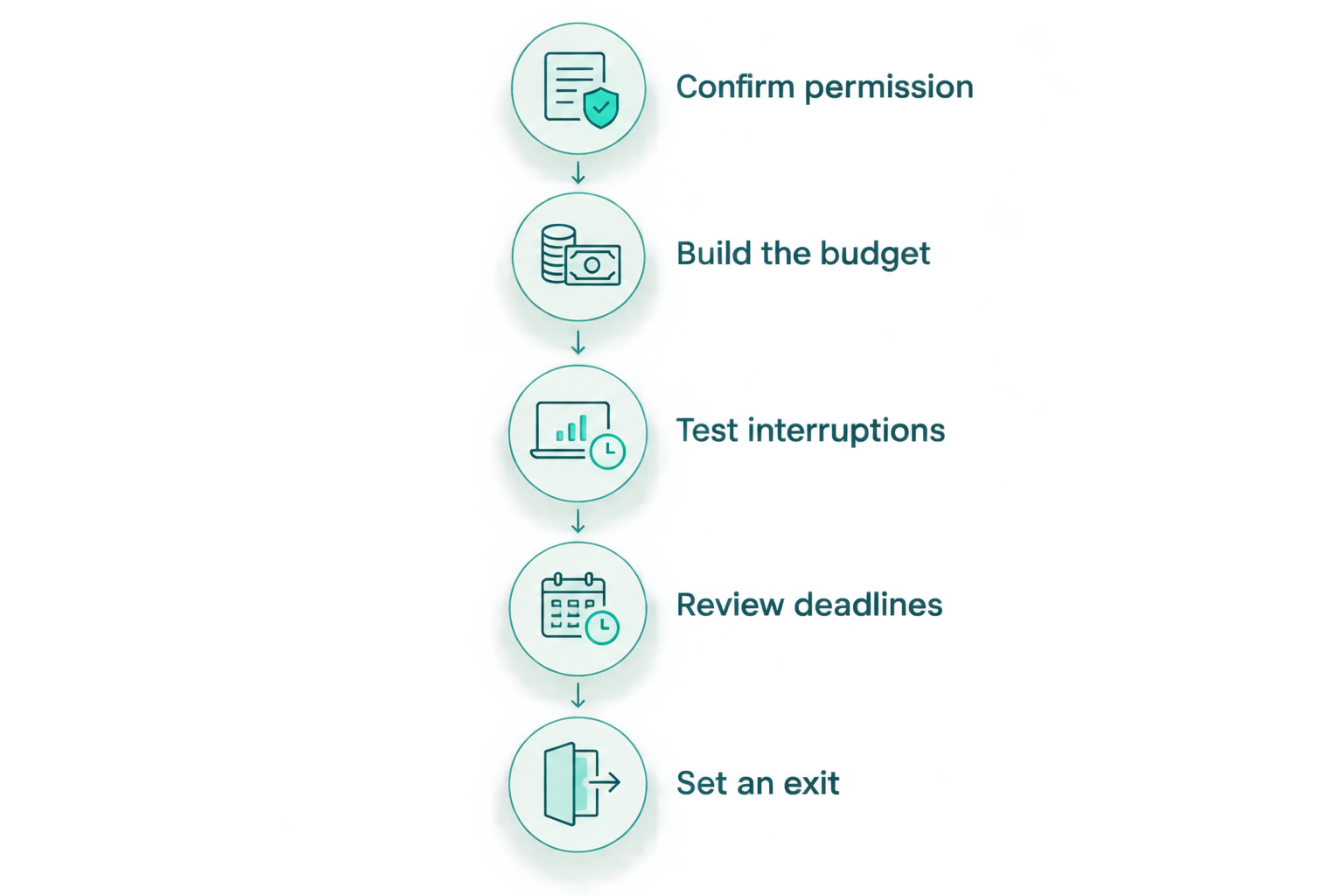
Confirm permission
Read your mortgage documents for occupancy requirements and restrictions. Ask your servicer how moving out and renting would affect your loan or any existing assistance arrangement. Do not assume that permission to move out also changes your payment obligations.
Check homeowners association or condominium rules separately. Rental caps, approval requirements, and lease restrictions can affect whether your plan is allowed. Ask your local housing department about rental registration, inspections, and licensing where applicable.
Contact your insurer before changing occupancy. Explain that tenants would occupy the home, and ask what coverage is required. Do not assume your existing owner-occupied policy fits rental use.
Build the budget
Create a 12-month budget using realistic rental evidence from comparable homes. Ask a local rental professional about achieved rents and vacancy conditions rather than relying only on listing advertisements.
Include these expense categories:
- The full mortgage payment, including any escrowed amounts.
- Property taxes and appropriate insurance, without counting escrowed expenses twice.
- Association dues and assessments.
- Maintenance, repairs, and replacement reserves.
- Management, leasing, and turnover expenses.
- Utilities and services you remain responsible for paying.
Keep refundable tenant deposits out of your operating-income calculation. Deposit handling is governed by applicable law, and those funds are not a substitute for your own reserves.
Then add your housing expenses after moving. A property that appears affordable in isolation can still leave your household short once you pay to live elsewhere.
Test interruptions
Run a 1-month vacancy test in which no rent arrives but the property bills continue. Then run a 2-month vacancy test and include a repair expense based on the home's actual condition or a contractor's estimate.
These are planning scenarios, not forecasts or reserve standards. Their purpose is to show whether a disruption forces you to miss mortgage payments or take on debt you cannot repay.
Also consider late rent while a tenant remains in possession. You cannot assume that missed rent lets you immediately remove a tenant or replace the household. State and local procedures govern your response.
Review deadlines
List any missed payments, lender notices, association demands, tax notices, or scheduled foreclosure events. Renting the home does not resolve those deadlines.
Ask the servicer what is currently due and what options remain. Get legal help promptly if you have received foreclosure papers or a sale notice. A prospective tenant's application is not a foreclosure solution.
Set an exit
Decide what would make you stop renting: persistent negative cash flow, a major repair, an inability to manage tenants, or a need to sell. Write down the trigger before you sign a lease.
Consider how an occupied property would be shown and sold. Lease terms and tenant protections affect access, notices, possession, and buyer expectations. Have a qualified local professional review those issues rather than assuming a future sale cancels the lease.
When renting is a reasonable option
Renting is worth considering when you want to retain ownership and can support the property without depending on uninterrupted rent. You also need the ability—or appropriate professional help—to meet landlord obligations.
Look for evidence behind each part of the plan. Rental permission should come from the relevant documents and authorities. Income assumptions should reflect comparable properties. Repair estimates should reflect the condition of your home.
A relocation does not automatically make renting the right answer. Include the practical burden of arranging repairs, handling notices, and responding to tenants from another location. If you plan to hire a property manager, include the actual proposed terms in your budget.
For a 2026 rental decision, use current insurance information, association documents, and local requirements. An old lease or a neighbor's experience does not establish what applies to your property now.
Why the rental decision varies
The same mortgage balance can produce different decisions for different households. These factors determine whether keeping the home is manageable:
- Payment status: Existing arrears require a separate resolution; future rent does not automatically bring the loan current.
- Rental economics: Achievable rent must be compared with the full ownership budget, not just principal and interest.
- Available reserves: You need funds accessible when rent stops or repairs cannot wait.
- Property restrictions: Loan documents, association rules, insurance requirements, and local law affect rental use.
- Your housing needs: Moving elsewhere adds a separate household expense and can complicate management.
- Your exit goal: Keeping a home you intend to return to is a different decision from keeping one you need to sell.
Do not treat a tenant as a replacement for financial capacity. You remain the borrower, and your lender still expects payment under the loan terms.
When to compare a short sale before signing a lease
Compare a short sale before renting if you need to leave ownership, cannot fund rental interruptions, or already face unresolved payment trouble. A lease creates obligations to another household while your mortgage problem remains yours.
A short sale is not automatic because the home is underwater. Your lender must review and approve the proposed transaction under its requirements. Other liens and ownership issues can also affect whether a sale closes.
Ask specifically how the approval addresses any unpaid balance. Permission to sell for less than the mortgage payoff is not the same as a clear release from further liability. Lender terms and state law vary. Have a qualified attorney review legal consequences and a qualified tax professional review tax consequences.
If you rent first and later need to sell, review the issues involved in a short sale of a rental property. Keep leases, rent records, expenses, and lender correspondence organized from the start.
Will renting stop foreclosure on my underwater home?
Renting does not itself stop foreclosure. A signed lease does not change the lender's rights under your loan or remove existing missed payments.
If foreclosure is already active, speak with your servicer and a qualified local attorney before promising possession to a tenant. Do not assume that collecting rent gives you enough time to resolve the loan.
Can I rent now and short sell later?
Yes, you can seek a short sale after renting, but lender approval is still required. Existing tenancy adds questions about showings, notices, lease terms, and possession at closing.
Tell your agent and any short-sale processor about the lease immediately. Do not promise a buyer vacant possession unless you can lawfully deliver it.
Is a loan modification better if I want to stay?
A loan modification deserves review if your goal is to remain in the home and the current payment is unaffordable. Renting the whole property works against that goal because it requires you to live elsewhere.
Ask your servicer what options apply to your situation. Compare the actual proposed terms with your household budget; submitting an application does not guarantee approval or change your payment obligations by itself.
Get help before you commit to a lease
Shortsalesdoneright helps homeowners compare a short sale with other options and provides short-sale processing and lender negotiation services. Request help through the homeowner intake form on the site if you need to assess that path before becoming a landlord.
Keep the roles clear. Short-sale support addresses the lender process; a local attorney addresses tenant and debt-liability questions, and a tax professional addresses the tax effects of renting or selling. No service can promise lender approval, debt forgiveness, or a particular credit-score result.
Compare your next steps
Request homeowner help to compare a short sale with keeping the property.
FAQ
Can I rent out my house if I owe more than it is worth?
Yes, negative equity alone does not prevent renting. Confirm that your mortgage terms, insurance, association rules, and local law permit your planned rental use.
Is renting better than a short sale when my mortgage is underwater?
Renting fits homeowners who want to keep ownership and can carry rental expenses; a short sale fits homeowners who need to sell and obtain lender approval. Neither option guarantees relief from every outstanding debt.
Do I need to tell my mortgage company before renting my home?
Review your loan documents and ask your servicer what notice, consent, or occupancy requirements apply. Do not assume that every mortgage permits the same change in occupancy.
What should I check before renting an underwater home in 2026?
Check rental permission, realistic cash flow, available reserves, payment status, and your exit plan. Use current insurance terms and applicable state and local requirements for your 2026 decision.
What happens if my tenant does not pay rent?
You remain responsible for your mortgage and other property obligations when a tenant does not pay. Follow applicable landlord-tenant law and consult a local attorney before taking action against the tenant.
Will a short sale forgive whatever I still owe?
A short sale does not automatically forgive every unpaid balance. Have a qualified attorney review the lender's written approval and applicable state law, and ask a tax professional about tax consequences.
Can renting my former home affect my taxes?
Yes, converting a home to rental use can affect income reporting, deductions, depreciation, and a later sale. Ask a qualified tax professional to review your circumstances before converting the property.
One last thing
Test the empty-house budget before trusting the rented-house budget. Remove rental income and identify exactly how you would pay the mortgage, insurance, taxes, and necessary repairs.
If the answer depends on immediate rent, immediate appreciation, or immediate lender approval, the plan has no room for disruption. Resolve that weakness before signing a lease. Keeping ownership is useful only if keeping the property remains manageable.


