

A short sale is a better fit when you need to sell an underwater home; bankruptcy deserves closer attention when you need broader debt relief or a legal process for catching up on mortgage payments. Neither option automatically eliminates the unpaid mortgage balance, and the right choice depends on your other debts, your goal for the home, lender terms, and state law.
- Is a short sale better than filing bankruptcy? Choose based on your housing goal and your full debt picture.
- A short sale addresses a home sale; bankruptcy addresses debts through a federal court process.
- Shortsalesdoneright helps homeowners compare short-sale options; bankruptcy advice belongs with a qualified attorney.
- Get written terms addressing unpaid mortgage debt before treating a short sale as a complete exit.
Why this matters
An upside-down mortgage and an unmanageable debt load are different problems. Selling the home does not necessarily resolve credit cards, medical bills, or personal guarantees. Filing bankruptcy does not automatically make a mortgage payment affordable.
For your 2026 decision, start with what you need to accomplish: leave the home, keep it, or address debts beyond the mortgage. Review the alternatives to foreclosure for homeowners before committing to a sale or a court filing.
Is a short sale better than filing bankruptcy?
A short sale fits a sale problem. Bankruptcy addresses a broader debt problem. They are not interchangeable, and some homeowners need advice about both before choosing the order of events.
| Option | Best for | Main benefit | Main limitation |
|---|---|---|---|
| Short sale | Homeowners who want to leave an underwater home | Creates a lender-reviewed route to selling for less than the mortgage debt | Requires lender consent and does not automatically erase the remaining debt |
| Chapter 7 bankruptcy | Eligible homeowners seeking relief from dischargeable debts | Can discharge qualifying personal debt obligations | Does not automatically remove mortgage liens or provide a mortgage catch-up plan |
| Chapter 13 bankruptcy | Eligible homeowners with regular income who need a repayment process | Can provide a way to catch up on mortgage arrears | Requires a workable court-approved plan and continuing payment obligations |
A short sale and bankruptcy can also intersect. If you are considering both, have a bankruptcy attorney review the proposed sale before you sign binding documents. A bankruptcy filing changes how assets and creditor claims are handled.
Short sale: best for homeowners ready to leave
A short sale involves selling for less than the mortgage debt, with the lender's agreement to the transaction. It is relevant when you cannot support the mortgage and want to move rather than retain the property.
The benefit is a sale-based path out of the home. The limitation is dependence on lender review, a buyer, and acceptable written terms. Additional mortgage holders or other liens can complicate the closing.
Do not equate permission to sell with forgiveness of the unpaid balance. Ask whether the lender is releasing its lien, releasing your personal obligation, or doing both. Those are different questions.
Chapter 7 bankruptcy: best for qualifying debt relief
Chapter 7 is a liquidation bankruptcy. It can discharge qualifying debts, but nonexempt assets are subject to administration by a bankruptcy trustee. Eligibility and exemptions require an individual legal review.
A mortgage lien generally survives a bankruptcy discharge unless it is otherwise addressed through an applicable legal process. Discharging personal liability does not, by itself, give you the right to keep the home without paying the secured debt.
The benefit is broader relief from eligible debts. The limitation is that Chapter 7 does not supply a repayment plan for catching up on missed mortgage payments. Ask an attorney how the home, equity, exemptions, and existing liens affect your case.
Chapter 13 bankruptcy: best for a workable repayment plan
Chapter 13 provides a repayment process for eligible individuals with regular income. The U.S. Courts' Chapter 13 — Bankruptcy Basics describes plans lasting 3 to 5 years.
That structure can allow a homeowner to catch up on mortgage arrears while maintaining required ongoing payments. A plan does not solve a continuing gap between household income and essential expenses.
The benefit is a structured route to address arrears and other debts. The limitation is the payment commitment: a 3-year plan or a 5-year plan must meet legal requirements and be financially workable. A bankruptcy attorney should assess feasibility before you rely on retaining the home.
Why the better choice varies
Your 2026 comparison needs more than a mortgage balance. These factors change which option addresses the actual problem:
- Your housing goal. A short sale ends ownership. A Chapter 13 case can support keeping the home when its requirements and payment obligations are met.
- Your other debts. A sale does not resolve unrelated unsecured debts. Bankruptcy can address qualifying debts beyond the mortgage.
- Your ongoing income. A repayment approach needs reliable funding. Leaving the property changes housing expenses but does not erase other obligations.
- The unpaid mortgage balance. Short-sale approval terms and applicable law determine whether remaining debt is still an issue.
- Liens and ownership interests. Additional mortgages, liens, co-owners, and bankruptcy estate interests affect who must participate or consent.
- The foreclosure deadline. A pending sale requires immediate legal review. A short-sale submission is not the same as a legally effective foreclosure pause.
Do not rank these factors by how stressful they feel. Start with deadlines, then determine whether you want to keep the home and whether the available route is sustainable.
How do you compare the options before making a commitment?
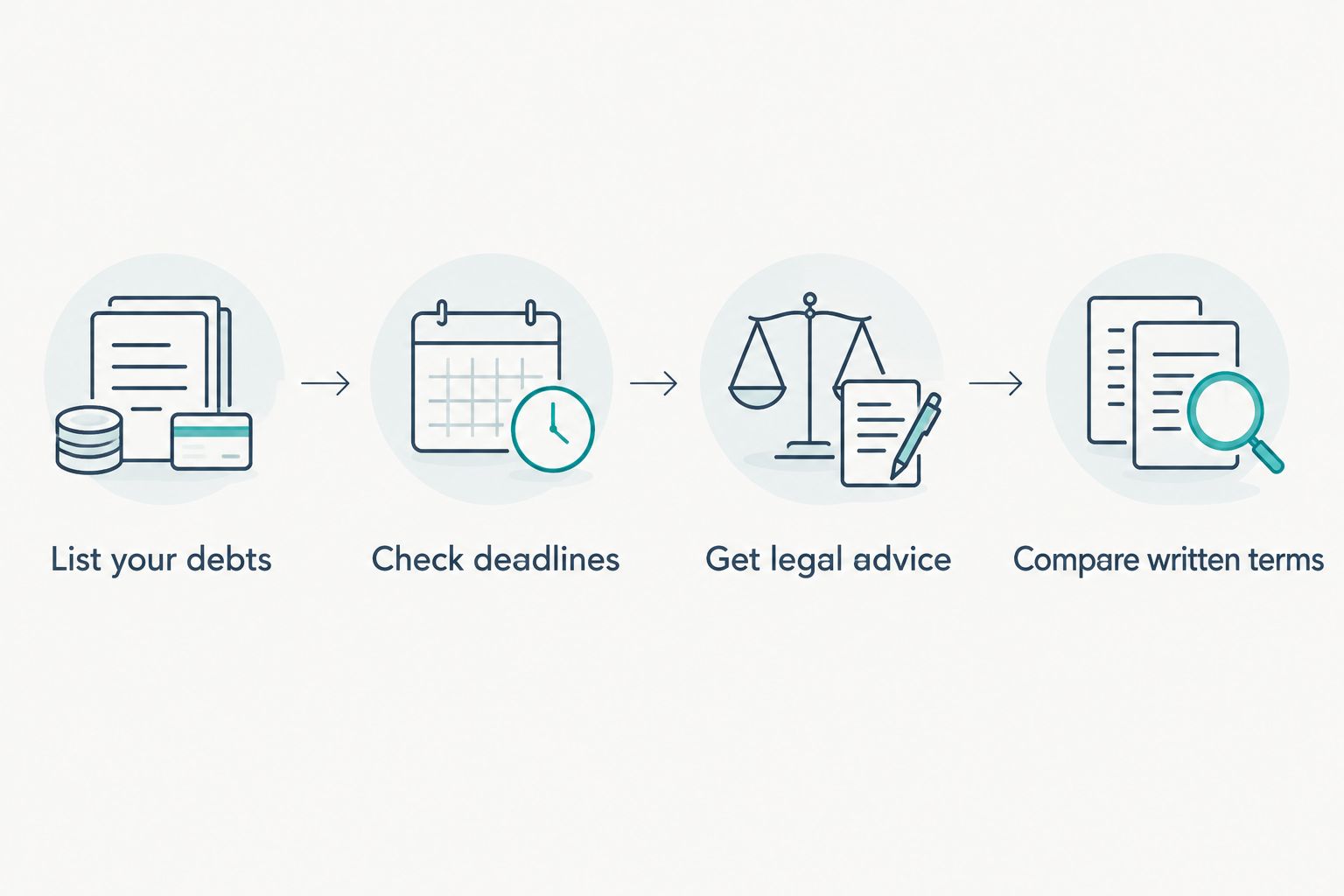
Use this sequence for a 2026 decision. It separates the urgent legal question from the longer financial question.
- List your debts. Gather mortgage statements, other loan balances, collection notices, and information about jointly owed debts. Separate debts secured by property from unsecured obligations.
- Check deadlines. Locate foreclosure notices, court papers, and scheduled sale information. Give those documents to a qualified attorney promptly; do not assume lender negotiations suspend enforcement.
- Get legal advice. Ask a bankruptcy attorney to evaluate eligibility, asset exposure, the effect on co-borrowers, and the feasibility of keeping the home. Ask a qualified tax professional about potential tax consequences.
- Compare written terms. Review the short-sale conditions alongside the attorney's explanation of bankruptcy obligations. Compare what happens to the house, remaining debts, and future payments—not just whether a file can be opened.
A complete comparison answers what happens after the transaction or court filing. If you cannot explain which debts remain and where you will live, the decision is not ready.
What should you check in a short-sale approval?
Read the approval as a set of conditions, not a blanket release. Confirm that the transaction terms match what you understand the lender has agreed to accept.
Ask your attorney to review:
- Whether the approval addresses personal liability for any remaining mortgage debt.
- Whether every mortgage holder and other necessary lienholder has provided the required consent.
- Whether the lender requires a seller contribution or another obligation.
- Whether the closing deadline and other conditions are achievable.
- Whether a co-borrower or guarantor remains exposed to a claim.
State law and lender terms vary. A provision that releases the mortgage lien is not necessarily a provision releasing a borrower from personal responsibility.
Tax treatment is a separate question. Debt cancellation can have tax consequences, and exclusions depend on the facts and applicable law. Have a qualified tax professional review the expected result under 2026 rules rather than relying on another homeowner's experience.
Where short-sale processing helps—and where it stops
Shortsalesdoneright is best for homeowners who need short-sale processing and lender negotiation support. The service helps homeowners compare a short sale with other options; it does not replace bankruptcy, legal, or tax advice.
For homeowners, the practical question is whether selling addresses the housing problem without leaving misunderstood obligations. For agents, the work is different: preparing the full short-sale package, coordinating through a dedicated point of contact, and receiving weekly lender updates.
Shortsalesdoneright provides short-sale processing and lender negotiation services. That support addresses the transaction workload, but lender approval, debt forgiveness, and specific credit-score outcomes are not guaranteed.
If you are ready to explore selling, request help through the homeowner intake form on the site. If foreclosure is imminent or bankruptcy is under consideration, speak with a qualified attorney before treating the sale process as your only next step.
Get help comparing your next step
Request homeowner help with short-sale processing and lender negotiations.
Can a short sale stop foreclosure like bankruptcy can?
A short sale does not automatically stop foreclosure. A bankruptcy filing generally triggers an automatic stay, but exceptions and limits apply, including rules affecting certain repeat filings. Ask an attorney what protection applies to your circumstances and deadline.
Can I sell my house after filing bankruptcy?
Selling during bankruptcy requires legal coordination. Depending on the chapter, the property's status, and the case, trustee involvement or court authorization can be required. Do not assume an existing listing or lender approval gives you permission to close.
Is a short sale better for my credit than bankruptcy?
Neither option guarantees a better credit-score result. Existing payment history, account reporting, and the rest of your credit file affect the outcome. Choose based on the debt and housing problem you need to solve, not a promised score change.
FAQ
Is a short sale better than filing bankruptcy if I only have mortgage trouble?
A short sale is a closer fit when you want to leave an underwater home and the mortgage is the main problem. Confirm how the approval treats any remaining debt before deciding that the sale resolves your obligations.
Should I file bankruptcy if I want to keep my house?
Chapter 13 deserves legal review when you want to keep the home and need a way to catch up on mortgage arrears. Eligibility, regular income, ongoing payments, and a workable repayment plan all matter.
Does a short sale wipe out the rest of my mortgage?
A short sale does not automatically wipe out the unpaid mortgage balance. Written lender terms and applicable state law determine whether personal liability remains.
Does Chapter 7 bankruptcy remove the mortgage lien?
Chapter 7 discharge generally does not remove a mortgage lien by itself. Discharge of personal liability and the lender's rights against the property are separate issues.
Can I negotiate a short sale while considering bankruptcy?
You can explore a short sale while considering bankruptcy, but coordinate the decisions with a bankruptcy attorney before committing to a transaction. Filing can change authority over the property and the requirements for a sale.
Who should I call if a foreclosure sale is already scheduled?
Contact a qualified attorney immediately when a foreclosure sale is scheduled. A pending short-sale request does not automatically stop the sale, and available legal options depend on the facts and timing.
Will I owe taxes after a short sale?
Tax liability after a short sale depends on debt cancellation, available exclusions, and your individual circumstances. Ask a qualified tax professional to review the proposed terms and applicable law before closing.
One last thing
The document allowing the home sale is not necessarily the document releasing you from the debt. Before you choose a short sale in 2026, ask a direct question: after closing, who can still seek payment from me?
Shortsalesdoneright can support the short-sale process. Have your attorney explain the legal effect of the written terms, and your tax professional explain the tax treatment. Make the decision with those answers—not with an approval headline alone.


