

Yes, a short sale is possible while your bankruptcy case is active, but lender approval alone does not authorize the sale. Your bankruptcy attorney must determine who controls the property and what court or trustee involvement is required before you commit to a transaction. In 2026, the safe starting point is to coordinate the bankruptcy case and the proposed sale—not dismiss the case just to satisfy a lender’s request.
- Is a short sale possible if my loan is in active bankruptcy? Yes, subject to lender approval and bankruptcy requirements.
- Chapter 7 and Chapter 13 require different property-control checks before a short sale proceeds.
- A bankruptcy discharge does not automatically remove a mortgage lien or authorize a property sale.
- Shortsalesdoneright provides short-sale processing; your bankruptcy attorney handles legal advice and court requirements.
Is a short sale possible if my loan is in active bankruptcy?
Yes. Active bankruptcy does not automatically rule out a short sale. It adds a separate legal process that must work alongside the lender’s review.
Start by telling your bankruptcy attorney that you want to explore selling for less than the mortgage payoff. If you are still deciding whether to sell, the guide to short sales versus filing bankruptcy explains why the two address different problems.
Use this sequence before committing to a closing:
- Confirm property control. Ask your attorney whether the home remains part of the bankruptcy estate and who has authority to sell it.
- Confirm legal requirements. Have counsel identify any required motion, notice, trustee involvement, or court order.
- Confirm lender requirements. Ask the servicer what authorization and documents its bankruptcy department requires to review a short sale.
- Coordinate the contract. Have your agent and attorney address lender approval, bankruptcy requirements, and deadlines before you sign.
- Verify closing authority. Have counsel and the closing professional confirm that the required approvals and lien releases are in place.
The order matters. An accepted buyer’s offer does not replace the lender’s consent, and the lender’s consent does not replace bankruptcy authority.
Why this matters
A short sale addresses the sale of the home and the lender’s willingness to accept less than the payoff. Bankruptcy addresses your debts and legal protections. Neither process automatically completes the other.
For a homeowner making this decision in 2026, the immediate question is not just whether the bank will negotiate. It is whether the proposed transaction fits your bankruptcy case without giving up protections or creating an unauthorized transfer.
Federal bankruptcy law provides the framework. Relevant provisions include 11 U.S.C. § 362 on the automatic stay, § 363 on estate-property sales, and § 554 on abandonment. Your attorney must apply those rules, local court procedures, and state law to your circumstances.
Chapter 7: confirm who controls the home
In Chapter 7, a trustee administers property of the bankruptcy estate. Do not assume you control the home simply because you still live there or because the mortgage balance exceeds its value.
Your attorney must determine whether the property remains in the estate, whether the trustee intends to administer it, and whether abandonment or another legal step affects your ability to sell. An underwater mortgage is not, by itself, permission to transfer the property.
A proposed short sale also needs the lender’s review. The lender must agree to the transaction and the terms for releasing its lien; other liens need attention as well.
Ask your attorney:
- Does the home remain property of the bankruptcy estate?
- Who has authority to enter into and complete the sale?
- Is abandonment relevant, and has it actually occurred?
- What must happen before listing, signing, or closing?
The practical benefit of exploring a Chapter 7 short sale is the possibility of a negotiated property transfer. The limitation is that your preferred sale cannot override the trustee’s role or the court’s requirements.
Chapter 13: check the sale against your repayment plan
In Chapter 13, a proposed short sale must be assessed alongside your repayment plan and the orders governing your case. Property-control rules can depend on the plan, confirmation order, and applicable law.
Your attorney should determine whether the sale requires court approval, notice, trustee involvement, or a change to the plan. Selling the home does not automatically end the case or eliminate your other plan obligations.
If keeping the home is your priority, review that goal before pursuing an exit. A short sale transfers ownership; it is not a way to retain the property under new mortgage terms.
| Bankruptcy situation | Best for | Potential benefit | Main limitation |
|---|---|---|---|
| Chapter 7 short-sale review | Homeowners exploring a negotiated exit during liquidation bankruptcy | Establishes whether a lender-approved sale can fit the case | Estate-property control and trustee involvement must be resolved |
| Chapter 13 short-sale review | Homeowners whose repayment plan needs to account for selling | Allows counsel to assess the proposed exit alongside plan obligations | Court requirements and possible plan changes need review |
Neither route guarantees a short sale. The right process follows your actual case status, not just the chapter number.
Why short-sale requirements vary during bankruptcy
For a 2026 transaction, these factors determine what must be resolved before closing:
- Property status. Whether the home remains estate property affects who can authorize a sale.
- Case orders. Existing orders and, in Chapter 13, plan terms affect the steps your attorney recommends.
- Lender instructions. The servicer’s bankruptcy department must identify its review and communication requirements.
- Other liens. A second mortgage, judgment lien, or other recorded claim creates additional title issues to resolve.
- Foreclosure status. A pending sale date or an order granting relief from the stay changes the urgency of legal review.
- State law. Rules affecting liens, foreclosure, and responsibility for an unpaid balance differ by state.
These are reasons to coordinate early, not reasons to assume the sale is impossible. Ask each professional to identify the decision they control and the document that confirms it.
Does the automatic stay stop me from selling my house?
The automatic stay restricts many creditor collection actions; it is not permission for you to sell estate property. Authority to sell must be addressed separately under the rules governing your bankruptcy case.
Under 11 U.S.C. § 362, the stay’s scope and duration depend on the case, statutory exceptions, and court orders. Do not assume foreclosure is paused indefinitely, particularly if the lender has requested or obtained relief from the stay.
Before relying on a foreclosure deadline, ask your attorney to verify the current docket and any applicable order. An open short-sale file is not a substitute for that check.
Does bankruptcy erase the unpaid mortgage balance after a short sale?
Bankruptcy can discharge personal liability for qualifying debts, but it does not automatically remove a mortgage lien. Whether you remain personally responsible for an unpaid balance depends on the bankruptcy result, applicable law, and the relevant agreements.
Keep these questions separate:
- Lien release: What allows the buyer to receive the property without the existing mortgage lien?
- Personal liability: Can the creditor pursue you personally for an unpaid amount?
- Tax treatment: Does the transaction create a reporting obligation or tax consequence?
Have your bankruptcy attorney review the proposed approval terms. Direct tax questions to a qualified tax professional; do not assume that a short sale or bankruptcy produces a particular tax result.
Should I dismiss my bankruptcy so the lender will review a short sale?
Do not dismiss your bankruptcy solely because someone says the short sale will be easier. Ask your attorney to evaluate the request and its consequences before taking any action.
Dismissal can affect bankruptcy protections and creditor collection rights. It also does not guarantee lender approval, preserve a buyer’s contract, or resolve title issues.
If the servicer says bankruptcy prevents review, request its specific instructions in writing. Your attorney and processor can then distinguish a documentation requirement from a request that would change your legal position.
How to coordinate the attorney, agent, and processor
Keep the responsibilities separate. Your bankruptcy attorney handles legal advice and bankruptcy requirements. Your agent handles the listing and purchase negotiations within the transaction’s legal limits. A short-sale processor organizes the lender submission and follows up on the review.
Shortsalesdoneright is best for homeowners seeking short-sale processing and lender negotiation support alongside their bankruptcy attorney. The service does not replace legal representation or decide whether a court must authorize your sale.
For agents, Shortsalesdoneright prepares the full short-sale package and provides a dedicated point of contact and weekly lender updates. That reduces processing work, but it does not remove the need to coordinate with the seller’s attorney.
Use these handoffs:
- Legal review: Counsel confirms property control and required legal steps.
- Lender review: The processor submits the requested package and tracks the lender’s response.
- Closing review: Counsel and the closing professional verify authority, written terms, and title requirements.
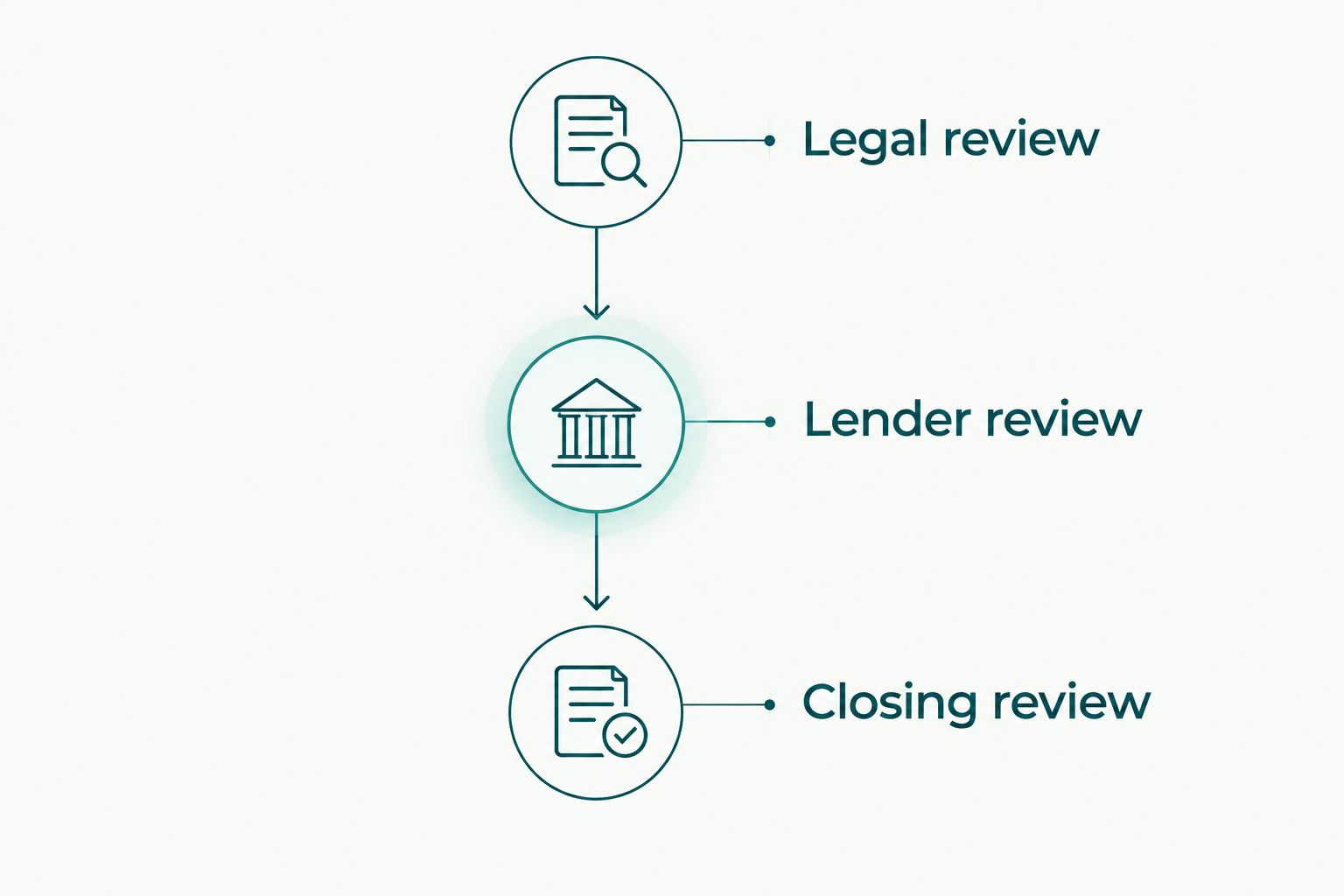
For your 2026 file, keep the lender’s approval, relevant court orders, contract deadlines, and title requirements together. Ask who owns each unresolved item and who will confirm completion.
Ready to explore the sale? Request help through the homeowner intake form on the Shortsalesdoneright website, and disclose the active bankruptcy at the start. Continue using your attorney for legal decisions.
Request help with your short sale
Explain your mortgage situation and active bankruptcy, then coordinate next steps with your attorney.
What to prepare before requesting a review
Gather your mortgage statement, property information, bankruptcy case number, and your attorney’s contact details. Include any foreclosure notice, signed purchase contract, or lender correspondence already received.
Do not send sensitive bankruptcy documents through an unverified channel. Ask the intended recipient how to submit them securely and what authorization is needed to communicate with your attorney or servicer.
If you already have a buyer, disclose every contract deadline. Ask counsel whether the agreement needs bankruptcy-related conditions and whether its timing is realistic before promising a closing date.
For an agent helping a seller, the first task is not another lender upload. It is confirming that the seller’s attorney knows about the proposed transaction and has identified the legal path.
FAQ
Can I request a short sale while my bankruptcy is still open?
Yes, you can ask about a short sale while bankruptcy is open. Your attorney must determine what property-control, trustee, and court requirements apply before you commit to or complete the transaction.
Do I need both bankruptcy approval and lender approval?
You need lender approval and whatever bankruptcy authorization your case requires. A lender approval letter does not replace a required court order or resolve who controls estate property.
Can my mortgage company refuse to discuss a short sale during bankruptcy?
A servicer can require bankruptcy-specific authorization and routing before reviewing a short sale. Ask for its requirements in writing and have your attorney review any request to dismiss or change the case.
Can I sign a short-sale contract before the bankruptcy judge approves it?
Have your bankruptcy attorney review that question before you sign. Authority to contract and the conditions needed in the agreement depend on property status, case orders, and applicable law.
Will a Chapter 7 discharge remove the mortgage lien?
A Chapter 7 discharge does not automatically remove a mortgage lien. Personal liability and the lender’s rights against the property are separate issues for your attorney to evaluate.
Does starting a short sale stop a foreclosure auction?
Starting a short sale does not itself stop a foreclosure auction. Have your attorney confirm whether the automatic stay, a court order, or another applicable legal protection affects the scheduled sale.
Will I owe taxes or an unpaid balance after the sale?
Your responsibility depends on the lender’s terms, state law, bankruptcy outcome, and applicable tax rules. Have a qualified attorney review liability questions and a qualified tax professional review tax consequences.
One last thing
An open bankruptcy case does not tell you who can authorize the sale. Neither does a lender’s willingness to negotiate. Before accepting a closing date in 2026, ask your attorney to identify the authority that permits this specific property transfer.
That question turns a general possibility into a transaction plan. Keep it ahead of promises to the buyer.