

USDA loan homeowners’ short sale is a lender-approved sale for less than the mortgage payoff, aimed at resolving an unaffordable home loan through a sale. Your first task in 2026 is to identify whether your USDA loan is guaranteed or direct, because the review process and debt questions differ.
- For a short sale USDA loan review, identify guaranteed versus direct financing before submitting documents.
- Shortsalesdoneright suits homeowners seeking short-sale processing and lender negotiation help, not a guarantee of approval.
- Compare a loan modification with a short sale before deciding whether to leave your home.
- Get written answers about remaining debt, deadlines, and closing conditions before committing.
Why short sales matter for USDA loan homeowners
An upside-down mortgage creates a practical problem: selling the property does not necessarily produce enough money to repay the loan. A short sale addresses that gap only when the required parties accept the transaction’s terms.
USDA involvement adds another distinction. A guaranteed loan comes through an approved lender; a direct loan comes from USDA Rural Development. A USDA guarantee protects the lender; it does not automatically cancel your responsibility for unpaid debt.
Start by calling the contact on your mortgage statement. If you need help comparing your next move, Shortsalesdoneright provides short-sale processing and lender negotiation services for homeowners.
This 2026 guide focuses on your decisions as a homeowner. Lender terms and state law vary. Take legal questions to a qualified attorney and tax questions to a qualified tax professional.
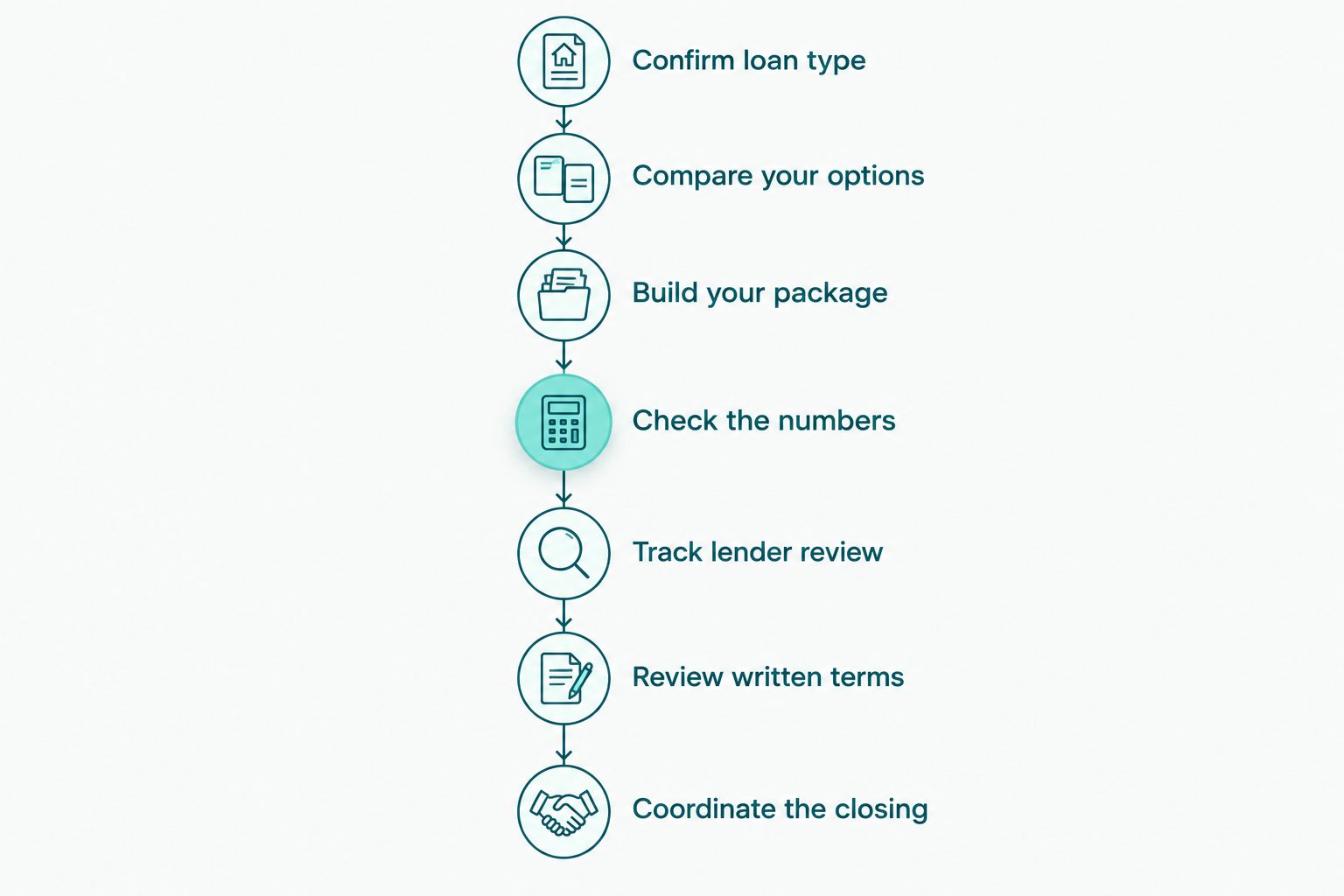
How to approach a USDA loan short sale
Confirm loan type
Check your mortgage statement and original loan documents yourself before assembling a submission. Ask the servicer to confirm whether the mortgage is USDA-guaranteed or USDA-direct and identify who handles requests to sell for less than the payoff.
For a guaranteed loan, begin with the company servicing your mortgage. For a direct loan, use the USDA servicing contact shown on your documents. Do not assume an ordinary customer-service representative handles short-sale decisions.
If you have a direct loan that received payment assistance, ask whether subsidy recapture affects your account or proposed sale. USDA direct-loan subsidy recapture is separate from simply reading the principal balance on your statement.
- Write down the loan type and account contact.
- Ask for the current short-sale submission instructions.
- Request a current payoff statement, not just the principal balance.
- Ask whether payment assistance or subsidy recapture needs review.
Compare your options
Decide whether your goal is to keep the home or leave it. Review your household budget first, then ask the servicer which loss-mitigation options apply to your account. Negative equity alone does not tell you which choice fits.
A loan modification changes loan terms; a short sale transfers the home to a buyer. If an affordable payment would let you stay, explore retention options before committing to a sale. Use this guide to short sale versus loan modification to organize that decision.
Shortsalesdoneright helps homeowners compare a short sale with other options. That support does not replace legal advice about foreclosure, bankruptcy, or liability for remaining debt.
- Separate your goal of staying from your goal of selling.
- List dependable income and essential household expenses.
- Ask which home-retention options remain available.
- Have an attorney review any existing foreclosure deadline.
Build your package
Request the servicer’s current checklist and gather the documents yourself. Keep 1 master file containing the submission, supporting records, and correspondence. A complete record makes it easier to answer follow-up requests without sending conflicting versions.
Your package generally needs to explain the hardship, show your finances, and document the proposed transaction. The exact requirements come from the reviewing party. Do not substitute a generic online checklist for account-specific instructions.
If you want help managing that work, Shortsalesdoneright provides short-sale processing and lender negotiation. Its stated service benefits include a dedicated point of contact and weekly lender updates. Those updates help you track communication; they do not guarantee a lender decision each week.
- Collect the income, asset, and expense records requested.
- Explain what changed and why the mortgage became unaffordable.
- Sign any required authorization before a representative contacts the lender.
- Save dated copies of everything submitted.
Check the numbers
Ask a real estate agent for a market analysis and request an estimated settlement statement from the closing professional. Compare the likely sale proceeds with the payoff and other amounts that must be addressed. The listing price alone does not establish whether the transaction works.
A lender evaluates the proposed proceeds, not just the buyer’s offer. Taxes, other liens, and transaction expenses affect what reaches the mortgage holder. Identify those issues before treating an offer as a workable solution.
For your 2026 file, use current documents rather than an old payoff or an earlier estimate of value. Ask your agent to explain the evidence behind the proposed price, including relevant condition differences.
- Request a supported estimate of current market value.
- Ask the closing professional to identify recorded liens.
- Compare estimated net proceeds with the current payoff.
- Flag property-condition issues that affect the proposed sale.
Track lender review
Keep a simple written log of submissions, requests, and responses. Ask the reviewing contact to confirm receipt and identify what remains outstanding. Sending a package is not the same as having a complete file under review.
Separate 3 dates in your records: the buyer’s contract deadline, any lender-requested response deadline, and any foreclosure sale date. They serve different purposes. A purchase contract does not, by itself, stop foreclosure.
Ask who is responsible for each next action. Your agent handles the sale; a processing representative handles the work assigned under the service agreement; an attorney addresses legal deadlines. Clear responsibilities prevent a document request from sitting unanswered between parties.
- Record submission dates and the method used.
- Ask for confirmation of missing or outdated documents.
- Track contract, lender, and foreclosure deadlines separately.
- Get written confirmation of any foreclosure postponement.
Review written terms
Read the approval letter with your agent and closing professional, then have a qualified attorney address debt liability. Permission to sell and release of the property lien do not necessarily mean the remaining debt is forgiven. Do not treat an approval heading as the full answer.
Ask 2 separate questions: Will the mortgage lien be released at closing? What happens to any unpaid balance? For a USDA loan, also ask whether a government-related debt or collection issue remains after the sale.
Use the actual 2026 approval documents for this review. Someone else’s experience, a verbal assurance, or a summary email does not establish your obligations. A tax professional should assess the tax consequences of your specific transaction.
- Confirm the approved buyer, proceeds, and closing deadline.
- Ask your attorney to explain remaining-debt language.
- Identify any contribution or additional document requirements.
- Get unclear or conflicting terms resolved before closing.
Coordinate the closing
Work backward from the written approval deadline with your agent and closing professional. Confirm that the final transaction matches the approved terms. If the buyer, proceeds, or timing changes, ask whether revised approval is required.
Make your moving plan around the contract and confirmed closing arrangements, not an assumed grace period. Ask when possession transfers and how you will receive confirmation that the sale recorded and funds were disbursed.
Keep your final records together after the transaction. You need the approval, settlement documents, and relevant debt correspondence when resolving later account questions or preparing tax records.
- Verify that required approvals remain valid through closing.
- Confirm possession and move-out terms in writing.
- Review changes to the final settlement statement.
- Retain the signed approval and completed closing records.
The sequence is simple, but each stage answers a different question. Confirm the loan before choosing a route, and review the written terms before treating approval as a finished solution.
Compare routes before committing to a sale
Choose an option based on your housing goal and the terms available for your account. This table separates ways to keep the home from ways to leave it. None automatically resolves every debt question.
| Option | Best for | Main benefit | Key limitation |
|---|---|---|---|
| Loan modification | Homeowners seeking to stay with a sustainable payment | Changes loan terms without selling the home | Requires review and approval; does not itself sell the property |
| Short sale | Homeowners seeking a sale when proceeds fall short | Creates a buyer-led path to transferring the home | Requires required-party approval and written review of unpaid debt |
| Deed in lieu | Homeowners exploring a transfer to the lender without a buyer | Offers another property-transfer route | Lender acceptance, title issues, and debt terms need review |
| Traditional sale with the shortfall covered | Homeowners able to resolve the payoff gap | Avoids asking the mortgage holder to accept reduced proceeds | The shortfall still needs to be covered |
Foreclosure is a legal process, not a substitute for comparing available solutions. If proceedings have started, an attorney should explain your state’s deadlines and the effect of any proposed agreement. Do not stop monitoring notices because a short-sale file is open.
Choose how to manage the short-sale work
Shortsalesdoneright is best for homeowners seeking short-sale processing and lender negotiation help. The service supports the process; the lender retains approval authority.
You can begin by requesting instructions and collecting records yourself. If managing documents and lender follow-up becomes difficult, compare the support available with the responsibilities you still retain.
| Approach | Best for | Main benefit | Key limitation |
|---|---|---|---|
| Homeowner-led coordination | Homeowners prepared to organize records and lender follow-up | Direct control over communications | You handle tracking and must obtain separate professional advice |
| Shortsalesdoneright short-sale processing | Homeowners seeking document coordination and lender negotiation support | Dedicated contact and weekly lender updates | Cannot promise approval, debt forgiveness, or a credit result |
| Attorney consultation | Homeowners facing legal deadlines or unclear debt terms | Advice on legal rights and obligations | Legal advice does not replace listing, buyer negotiations, or closing work |
Ready to act? Use the homeowner intake form through the site to request help. Include your loan type, current situation, and any known foreclosure deadline so the conversation starts with the right issues.
Request help with your next step
Ask about short-sale processing, lender negotiation, and comparing your homeowner options.
Common mistakes USDA loan homeowners make
Treating the USDA guarantee as debt forgiveness
The guarantee does not answer what you personally owe after a short sale. Ask for written clarification of remaining debt and have an attorney review it. Keep the property release and debt resolution questions separate.
Using guaranteed-loan instructions for a direct loan
Both involve USDA, but they are not interchangeable loan arrangements. Confirm your program and submission contact before collecting forms. Direct-loan borrowers should specifically ask whether payment assistance creates a subsidy-recapture issue.
Waiting for missed payments to seek information
Do not deliberately miss payments to try to qualify. Contact the servicer when hardship threatens your ability to pay and ask what review is available. Eligibility depends on your account and applicable requirements, not an internet rule about delinquency.
Assuming an open file stops foreclosure
A document upload, buyer offer, or lender conversation does not itself confirm a postponed sale. Continue reading every notice. Get legal advice promptly when a foreclosure date exists, and seek written confirmation of any change.
FAQ
Can I do a short sale with a USDA loan?
A USDA loan can be considered for a short sale, but approval is not automatic. Identify whether the loan is guaranteed or direct, then request the applicable review instructions from your servicing contact.
Who do I call about a USDA loan short sale?
Start with the contact on your mortgage statement. For a guaranteed loan, contact the mortgage servicer; for a direct loan, use the USDA servicing contact identified in your records.
Does USDA forgive the remaining balance after a short sale?
Do not assume the remaining balance is forgiven. Have a qualified attorney review the written terms, including any remaining borrower liability or government-related debt question.
Do I have to stop paying before requesting a short sale?
Do not stop paying just to seek short-sale approval. Ask the servicer what options apply to your current financial hardship and payment status.
Is a short sale better than a USDA loan modification?
A modification fits a goal of keeping the home; a short sale fits a goal of selling when proceeds fall short. Compare the available terms with your household budget before choosing.
Will applying for a short sale stop my foreclosure?
Applying does not by itself confirm that foreclosure has stopped. Ask for written confirmation of any postponement and have an attorney review active deadlines.
What should USDA direct-loan borrowers ask about payment assistance?
Ask whether subsidy recapture affects the account or proposed sale. Request an explanation tied to your loan records rather than assuming the principal balance is the entire amount requiring review.
One last thing
For your 2026 decision, focus on the sentence explaining what happens to the unpaid balance—not just the sentence approving the sale. A released lien and a resolved debt are different questions. Ask both before you sign.