

VA loan homeowners’ short sale is a lender-approved sale for less than the mortgage payoff, intended to help you leave an unaffordable home. A VA loan short sale also requires you to examine any remaining debt and the effect on your VA loan entitlement—not just whether the lender accepts the buyer’s offer.
- A VA loan short sale needs lender approval; signing a buyer’s offer does not settle the mortgage.
- Shortsalesdoneright is best for homeowners seeking short-sale processing and lender negotiation help.
- Compare mortgage assistance with selling before committing to a short sale.
- Confirm remaining debt, VA entitlement, and closing conditions separately in writing.
Why a VA loan short sale matters for homeowners
An upside-down mortgage creates two problems: selling does not produce enough money to pay off the loan, and keeping the home might no longer fit your finances. A short sale addresses the sale, but it does not automatically resolve every financial consequence.
Your VA benefit adds another question. Closing the sale and restoring VA entitlement are separate matters. A loss paid under the VA guaranty can affect the entitlement available for a future purchase.
Shortsalesdoneright provides short-sale processing and lender negotiation services for homeowners and real estate agents. That support addresses the sale process; legal advice, tax advice, and confirmation of your VA benefit require the appropriate professionals or agency.
Use this 2026 guide to organize the decision. Lender terms and state law vary, so base your next move on your own written loan information and approval terms.
Follow these six steps before closing
Confirm your payoff and the property’s value
Start with the numbers already available to you. Request a current mortgage payoff statement, review your latest loan statement, and ask a local real estate agent for a market analysis. An online home estimate alone does not establish what a buyer will pay or what your lender will accept.
A mortgage balance is not the same as a closing payoff. Selling expenses and other liens also affect whether the proceeds cover the obligations attached to the property.
If you have a second mortgage, a judgment lien, or unpaid property-related charges, identify them now. Approval from your main mortgage servicer does not resolve another lienholder’s requirements.
- Request a payoff statement with its expiration date.
- Ask an agent to explain comparable sales and likely selling expenses.
- List every mortgage and known lien attached to the property.
- Keep foreclosure notices and record each stated deadline.
Ask about keeping the home before choosing to sell
Contact your mortgage servicer yourself first. Explain whether the hardship is temporary or lasting, and ask which mortgage-assistance options fit your situation. A short sale is an exit strategy, not a payment-reduction plan.
If keeping the home remains affordable with assistance, compare that route before listing. If the payment no longer fits your income, focus on a realistic exit rather than an arrangement you cannot maintain.
For a 2026 decision, request the servicer’s current requirements rather than relying on an old program description. VA servicing guidance and individual loan circumstances matter. You can also seek help from a VA loan technician through official VA channels.
- Ask about applicable repayment, forbearance, or modification options.
- Explain your current income and what payment you can sustain.
- Ask how an assistance request affects any scheduled foreclosure action.
- Request the short-sale requirements if keeping the home is not workable.
Prepare a complete hardship package
You can gather the documents yourself using the servicer’s checklist. Keep a dated copy of everything submitted and use the secure delivery method the recipient specifies. Do not assume a package sent once will remain current through closing.
Your hardship explanation should connect the financial change to the mortgage problem. State what happened, how it affected your ability to pay, and why a normal sale will not cover the payoff. Use the hardship-letter guide to organize the explanation without adding unnecessary personal detail.
If you want processing help, Shortsalesdoneright provides lender negotiation services and helps homeowners compare a short sale with other options. Its agent-facing service includes preparing the full short-sale package, a dedicated point of contact, and weekly lender updates. Those services do not guarantee approval.
- Gather the financial records the servicer specifically requests.
- Write a factual hardship explanation consistent with those records.
- Complete required authorizations before anyone negotiates for you.
- Track submission dates and requests for updated documents.
Review the offer and lender conditions together
A buyer’s signed offer is only part of a short sale. The lender still reviews the proposed transaction and decides whether to accept less than the payoff under specified conditions.
Ask your agent to explain the contract’s short-sale approval provisions, buyer deadlines, and responsibilities. Then compare those terms with the lender’s response. A mismatch between the buyer’s closing deadline and the lender’s requirements needs attention before the transaction moves further.
Keep the buyer’s price, the lender’s expected proceeds, and the closing expenses distinct. An offer that looks acceptable on price alone can still require changes after the lender reviews the proposed settlement.
- Submit the purchase contract and requested supporting documents.
- Confirm how the lender will evaluate the property’s value.
- Review any requested contribution or other condition before agreeing.
- Obtain written approval from each lienholder whose consent is required.
Separate the debt question from the entitlement question
Ask for 3 written answers: whether the sale is approved, what happens to the unpaid balance, and how your VA entitlement is affected. These are different questions with different decision-makers.
A lender’s agreement to release its lien does not, by itself, answer every question about personal liability. Have a qualified attorney review language about remaining debt, borrower contributions, and any release. Ask a tax professional whether the transaction creates reporting obligations or tax consequences in your circumstances.
VA entitlement needs its own review. If VA pays a claim and suffers a loss, the entitlement tied to that loss is not automatically restored merely because the property sold. Ask VA about your record and request an updated Certificate of Eligibility when assessing a future purchase.
- Have an attorney review the approval’s remaining-debt language.
- Ask VA how a guaranty claim or loss affects your entitlement.
- Ask a tax professional about your individual reporting obligations.
- Keep future lender eligibility separate from entitlement restoration.
Verify the closing and keep the final records
Before closing, compare the settlement statement with the approval letter. Confirm that the buyer, sale terms, proceeds, and closing date meet the lender’s conditions. If something changes, ask whether written reapproval is required.
Do not treat a verbal extension as a completed approval. If a foreclosure action is pending, confirm its status with the servicer and your attorney rather than assuming the sale process has stopped it.
For a closing in 2026, preserve the final documents alongside your correspondence with the servicer and VA. Those records help you answer later questions about the sale, loan reporting, taxes, or entitlement.
- Check that approval letters remain valid through closing.
- Resolve settlement changes before signing the final documents.
- Retain the settlement statement and all written releases.
- Follow up on loan reporting and any unresolved VA questions.
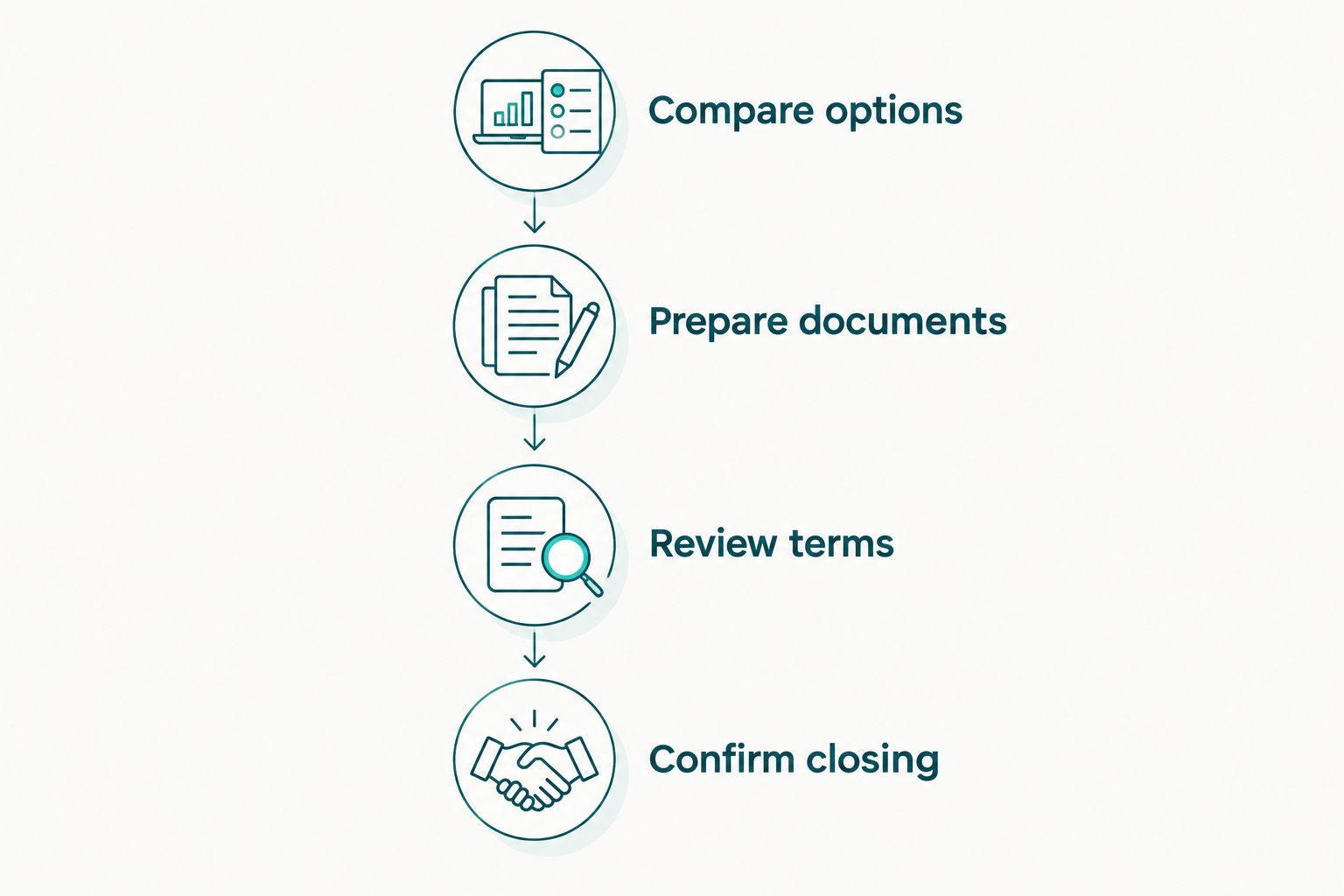
The process has four practical checkpoints: Compare options, Prepare documents, Review terms, Confirm closing. Moving to the next checkpoint does not replace the written decisions required at the previous one.
Compare your options before committing
Choose an option based on your ability to keep paying, your need to move, and the lender’s written requirements. A short sale is not automatically better than every alternative. It fits a different problem from temporary payment assistance.
The table below is a decision aid, not an approval forecast. For any 2026 agreement, confirm the current terms directly with the servicer and obtain legal advice about obligations that remain.
| Option | Best for | Main benefit | Key limitation |
|---|---|---|---|
| Mortgage assistance | Homeowners trying to keep a home they can sustain | Addresses the payment problem without requiring a sale | Eligibility and workable terms require individual review |
| Short sale managed with your agent | Homeowners able to coordinate documents and follow-up | Lets you pursue a sale despite a payoff shortfall | Requires lender review and ongoing coordination |
| Short sale with processing support | Homeowners seeking help with paperwork and lender communication | Adds support for preparing and tracking the transaction | Does not guarantee approval, debt forgiveness, or restored entitlement |
| Deed in lieu | Homeowners considering a property transfer instead of a buyer sale | Provides another possible negotiated exit | Lender acceptance, other liens, and remaining obligations need review |
| Foreclosure | Homeowners assessing the consequences when no alternative is completed | Provides a comparison point for evaluating an exit proposal | You do not control the process as you would a negotiated sale; state rules and financial consequences vary |
Ask what each realistic option changes—and what it leaves unresolved. A lower payment does not help if you must relocate permanently. A sale does not meet your goal if you need to remain in the home.
Avoid these common VA homeowner mistakes
Treating the VA guaranty as personal debt protection
The VA guaranty protects the lender against part of a covered loss; it is not a promise that every borrower obligation disappears. Read the actual approval terms instead of relying on the phrase VA-backed loan.
Get remaining-debt language reviewed before closing. Separate the lender’s lien release, any personal liability, and the effect of a VA claim.
Assuming a short sale preserves the full benefit
A completed short sale does not automatically return all previously used entitlement. Ask VA to explain your available entitlement and any loss connected with the loan.
Do not build your next home purchase around an assumed benefit amount. A future lender must also evaluate your credit, income, and other lending requirements.
Letting relocation pressure replace written approval
A move, deployment-related household change, or new job can make timing urgent. Urgency does not substitute for the servicer’s consent or a buyer who can meet the approved terms.
Tell everyone about your move date early. Keep the sale plan separate from your moving arrangements until the required approvals are in place.
Assuming negotiations stop foreclosure
Submitting documents, receiving an offer, or hiring a negotiator does not establish that foreclosure has paused. Ask for the actual status and obtain legal guidance about any deadline.
Keep 2 separate trackers: one for sale milestones and one for foreclosure notices. A promising offer should never cause you to ignore a legal notice.
Request help with the next decision
Shortsalesdoneright short-sale processing and lender negotiation services are best for homeowners seeking help coordinating the sale process. Start by explaining your hardship, whether you want to keep or sell the home, and any deadline shown on a notice.
If you are ready to act, request help through the appropriate homeowner intake form on the site. Keep legal and tax questions with qualified professionals, and ask VA directly about entitlement.
Request homeowner help
Ask about short-sale processing, lender negotiation, and comparing your options.
FAQ
Can I do a short sale with a VA loan?
Yes, a VA-backed mortgage can be considered for a short sale, subject to the required review and approval. Contact your servicer about its process and ask how the proposed sale affects remaining debt and VA entitlement.
Does a VA loan short sale erase the unpaid mortgage balance?
A VA loan short sale does not automatically erase every remaining obligation. Have a qualified attorney review the written approval and release language because lender terms and state law vary.
Will I lose my VA loan entitlement after a short sale?
A short sale can affect available VA entitlement if VA pays a claim and suffers a loss. Ask VA to review your specific record rather than assuming the entitlement is fully restored or permanently unavailable.
Can I buy another home with a VA loan afterward?
A later VA-backed purchase depends on available entitlement and meeting the future lender’s requirements. Obtain an updated Certificate of Eligibility and discuss your credit and finances with that lender; the short-sale closing alone does not establish eligibility.
Does applying for a short sale stop foreclosure?
Applying for a short sale does not establish that foreclosure has stopped. Confirm the status directly with the servicer and ask an attorney about notices, deadlines, and protections applicable to your situation.
Should I stop making payments to qualify for a short sale?
Do not stop making payments simply to pursue a short sale. Ask your servicer about the requirements for your loan and get advice about the consequences before changing your payment behavior.
Can Shortsalesdoneright help me negotiate with the lender?
Shortsalesdoneright provides short-sale processing and lender negotiation services and helps homeowners compare a short sale with other options. That support does not guarantee lender approval, forgiveness of an unpaid balance, or a specific credit-score result.
One last thing
The most useful question is not just whether the lender will approve the sale. Ask what you will still be responsible for afterward. Review remaining debt, VA entitlement, tax questions, and final documentation before signing.
Keep those questions together in your 2026 closing file. A completed transaction and a fully understood outcome are not the same thing.


